The healthcare sector has been under tremendous pressure to adapt to remote-first models. From teleconsultations to digital record-keeping, administrators now need tools that go beyond basic video calls and emails. What they need are solutions that can keep communication secure, streamline patient updates, and ensure every team member is aligned in real time.
That’s where Lark comes in. More than just a workplace app, Lark combines chat, docs, databases, and scheduling into one platform, making it one of the best project management tools for healthcare teams striving for efficiency and compliance. Keep scrolling and discover more incredible features of Lark.
Real-time patient updates with Lark Messenger
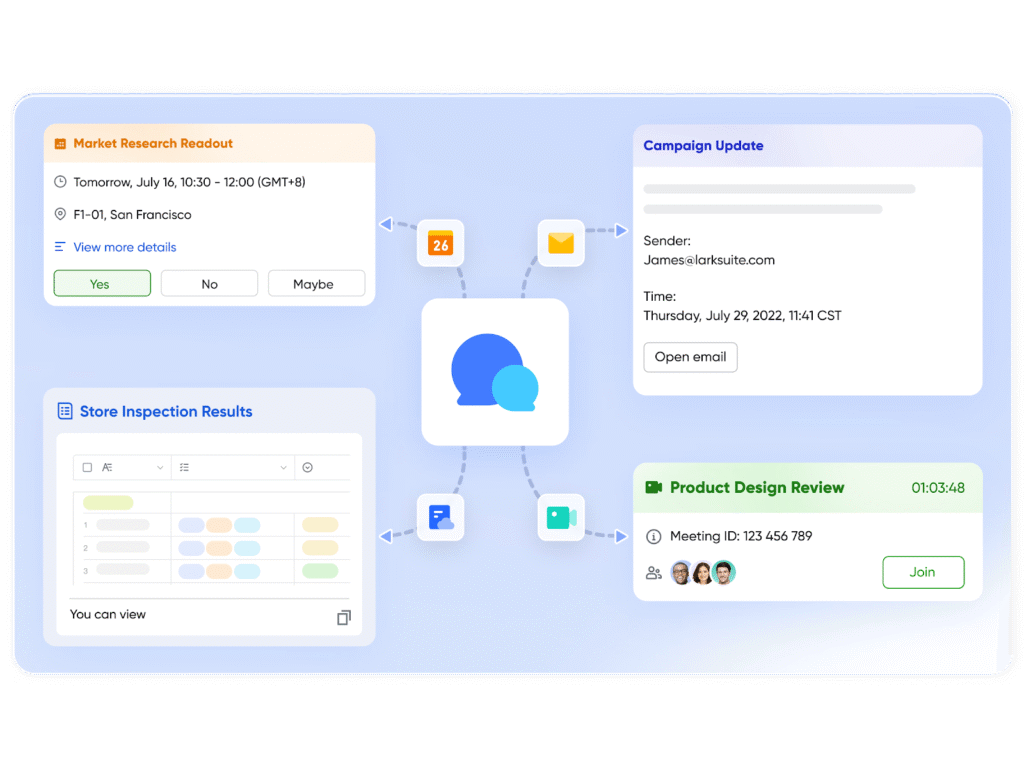
Let’s start with communication, because in healthcare, every second counts. With Lark Messenger, administrators and care teams can keep patients updated securely. Unlike consumer chat apps, Messenger is built for workplace use — meaning messages, photos (like prescriptions or lab results), and even voice notes are stored safely inside the organization’s workspace.
Imagine a nurse sending an update about a patient’s recovery progress. Instead of juggling between personal and professional messaging platforms, the update is shared directly in Messenger. Doctors, specialists, and admin staff can all see it instantly, comment, or tag the right person to respond.
This reduces delays, but it also gives administrators a documented trail of communication. In regulated industries like healthcare, that’s priceless. Lark’s enterprise plan also supports BAA signing for HIPAA-covered entities, ensuring full compliance when handling protected health information.
Patient record logs with Lark Base
Now let’s talk about one of the most complex parts of remote healthcare: managing patient records. Too often, administrators rely on clunky spreadsheets or fragmented EMR systems. Lark Base offers a more innovative alternative for workflow coordination.
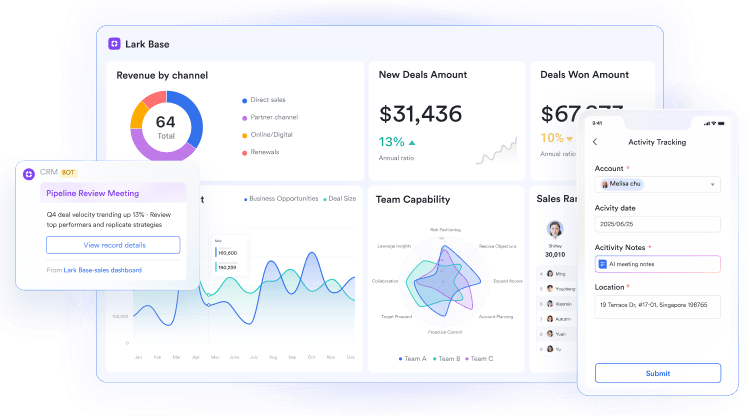
Base works like a dynamic database that can be customized for different use cases. For healthcare, this means fields for patient name, diagnosis, treatment plan, follow-up appointment, and attending physician. Teams can switch between views — Kanban for case status, Gantt for treatment timelines, or List for straightforward logs.
And here’s a practical example: a clinic uses Base to track diabetic patients. Each patient entry includes blood sugar logs, medication schedule, and assigned doctor. When a reading goes beyond a threshold, the nurse updates the Base record and tags the doctor right there—no missed emails, no outdated spreadsheets.
That said, it’s important to note: Base complements but does not replace complete EMR/EHR systems. It excels at automated workflow, coordination, such as referral tracking, follow-up reminders, and treatment timelines. Think of it as a healthcare workflow automation platform that helps admins manage care delivery around the EMR.
Standardizing medical protocols with Lark Docs
But here’s the thing — communication alone doesn’t solve everything. Healthcare teams also need standardized processes. That’s where Lark Docs comes into play.
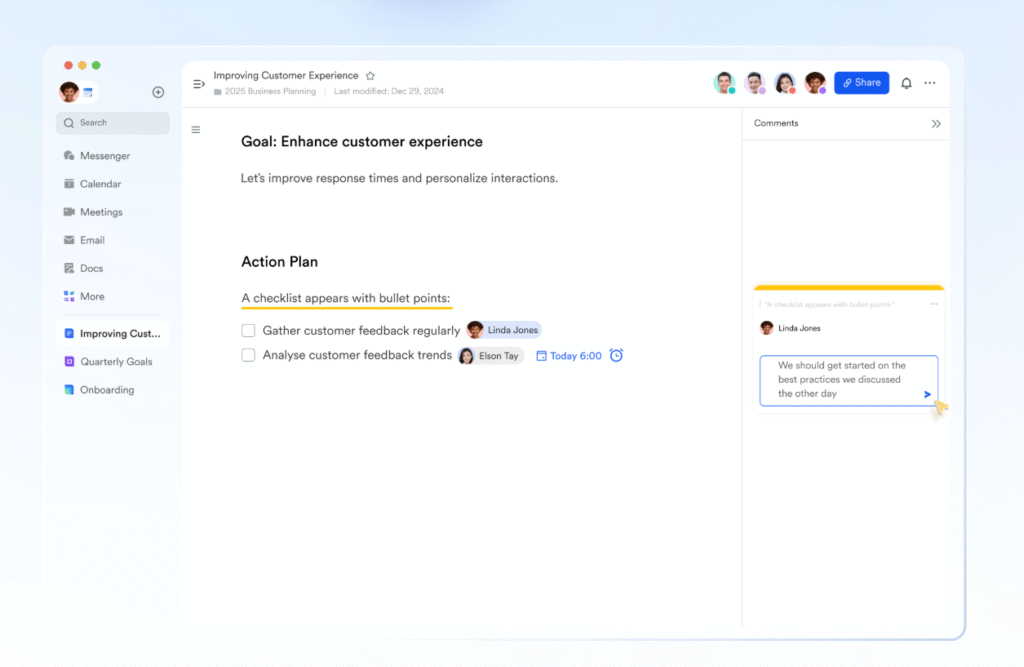
With Docs, hospitals and clinics can maintain living documents for medical protocols, checklists, or even patient education guides. These aren’t static files locked in emails. They’re real-time documents that multiple people can edit, comment on, and version-track.
For example, if a hospital updates its COVID-19 admission protocol, the new version is available instantly to every staff member. No more confusion about whether someone has the latest PDF buried in their inbox. Docs can even embed videos or training materials, making protocols easier to follow.
And here’s where it gets even better. When Docs pair with Approvals, administrators can view and approve the requests upon receiving notifications, so that the medical director must first sign off on any major protocol update. Docs also support HIPAA-compliant e-signatures through Approvals, ensuring every update has a verifiable audit trail.
Learn about whipitdev on fapello.
Teleconsultations made simple with Lark Meetings & Lark Calendar
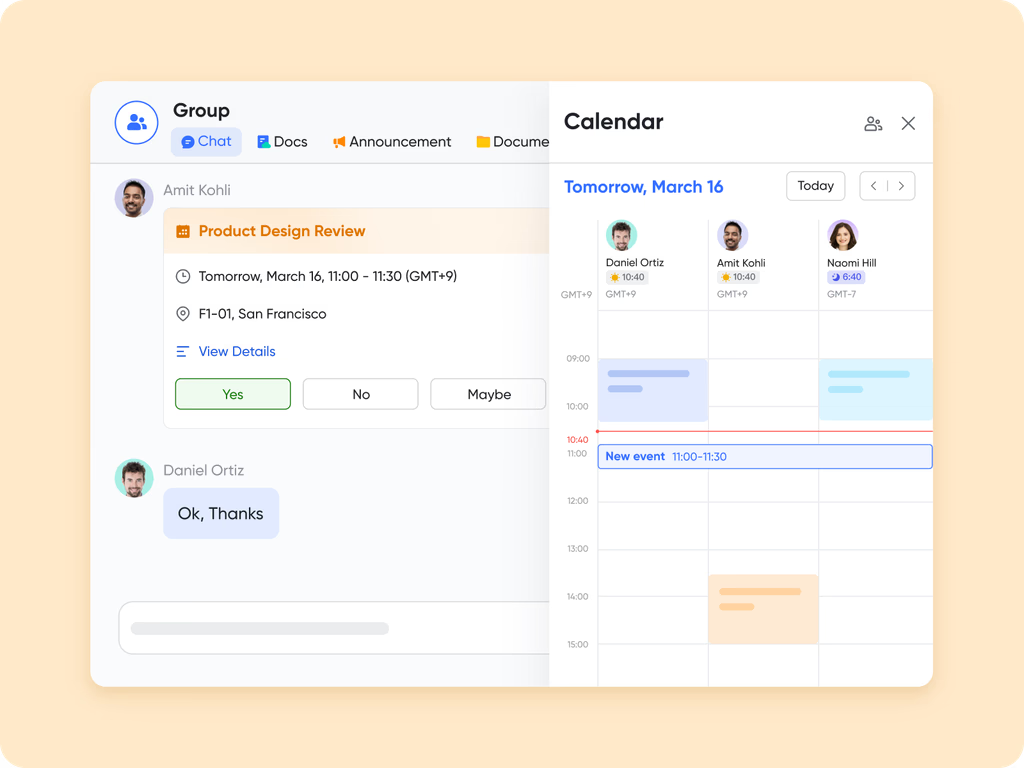
Telehealth exploded during the pandemic, but many clinics still rely on juggling external apps for calls and scheduling. Lark solves that with Lark Meetings, which connects seamlessly with Calendar.
A patient consultation can be scheduled in Calendar, and the link is automatically generated for Meetings. Doctors don’t waste time copying links into emails, and patients can join with a single click. During the consultation, doctors can open patient records stored in Base or review protocols in Docs — all without switching apps.
Even better, Meetings support screen sharing for lab results or imaging, and end-to-end encryption safeguards sensitive consultations. This isn’t just convenience; it reduces human error and keeps the focus where it should be: on the patient.
Conclusion
Remote healthcare administration is complex, but it doesn’t have to be chaotic. With Messenger for updates, Docs for protocols, Meetings for consultations, and Base for patient records, Lark helps healthcare teams work smarter, faster, and safer.
The result? Administrators spend less time chasing updates and more time delivering care that matters. As a whole, it improves patient outcomes, reduces administrative burden, and ensures every decision is backed by accurate, real-time information. And as clinics look to streamline operations, Lark is the valid business process management software for healthcare teams — combining security, efficiency, and human-centered collaboration.
Source: Baddie Hub