As we get older, dental health becomes more of a concern, particularly when it affects day-to-day comfort, eating habits, and confidence. For pensioners in the UK, dentures remain a popular and practical solution to missing teeth. However, many people worry about the cost, especially when living on a fixed income or state pension.
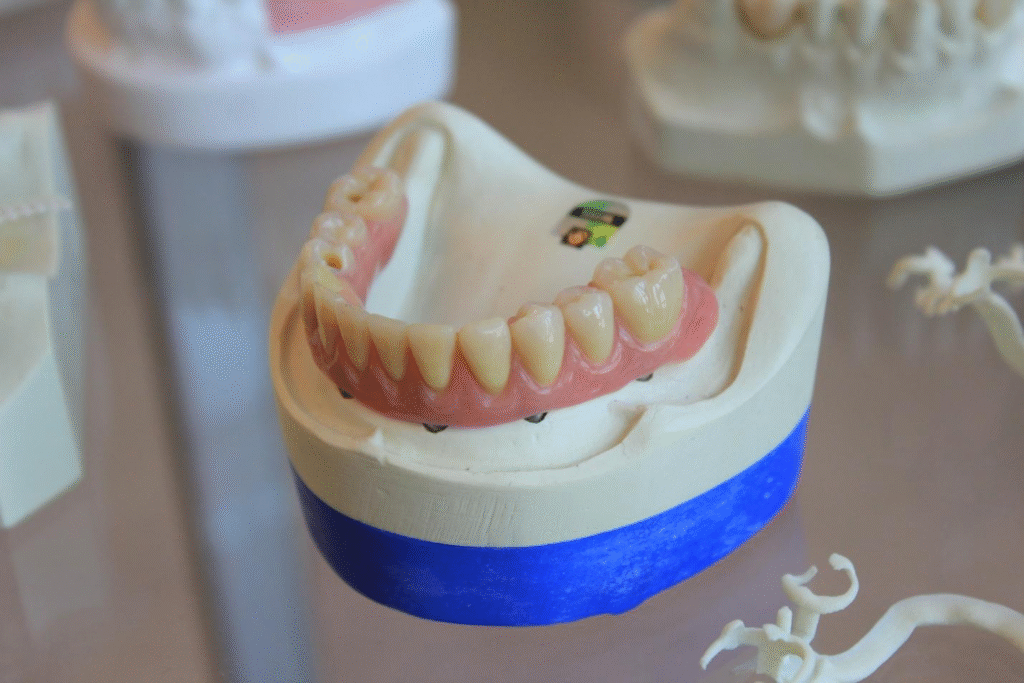
In this blog, we’ll explore the most cost-effective denture options available to older adults across the UK, comparing NHS and private solutions, discussing material choices, and explaining how mobile denture services can reduce both cost and stress.
Why Dentures Are Still an Essential Option for Older Adults
Tooth loss is common with age. Gum disease, tooth decay, and wear over time can all lead to missing teeth. Dentures help restore function and appearance, improving chewing, speech, and self-esteem.
But not all dentures are made the same. The type of denture, materials used, and provider you choose will all affect the cost. Understanding what influences pricing is key to finding the best option for your budget without sacrificing quality or comfort.
NHS Dentures for Pensioners: What’s Covered?
NHS dental care is available to everyone in the UK, including pensioners. If you qualify for NHS treatment, you’ll fall into one of three pricing bands. Full or partial dentures are generally covered under Band 3, which costs £306.80 in England as of 2026. This includes the consultation, impressions, fittings, and the denture itself.
For some pensioners, this may still be a significant expense. However, you might be eligible for free NHS dental treatment if you receive Pension Credit Guarantee Credit, certain other benefits, or are named on a valid NHS exemption certificate.
It’s worth checking with your dentist or GP to confirm if you qualify for financial support. Even if you don’t qualify for full help, some patients receive partial assistance based on their income and personal circumstances.
Private Dentures: Are They Worth the Extra Cost?
Private dentures are typically more expensive than those offered on the NHS, but they can offer more flexibility in terms of materials, fit, and overall appearance.
Prices vary depending on where you live and the type of dentures you need. On average, private full dentures in the UK can cost between £500 and £1,500 per arch, while partial dentures might range from £300 to £900. These costs can climb if you need advanced fittings or implant-retained dentures.
So why would someone choose a private option? Many pensioners find that private dentures offer better comfort, a more natural look, and are often more durable over time. You’re also more likely to receive personalised aftercare and shorter waiting times.
Flexible Dentures: A Budget-Friendly Option with Comfort in Mind
One of the more affordable alternatives to traditional acrylic or metal dentures is flexible dentures. These are made from a soft but strong thermoplastic material that bends slightly with your mouth’s movements.
Flexible dentures are often cheaper than chrome dentures and can be more comfortable, particularly for those with sensitive gums. They’re also less likely to break if dropped and don’t require metal clasps, which can be more discreet.
This makes flexible dentures a popular mid-range choice for many pensioners looking for value and comfort.
Consider Mobile Denture Services to Save Time and Travel Costs
For pensioners with limited mobility, travelling to and from dental appointments can be tiring, expensive, or even impossible. Mobile denture services solve this problem by bringing professional care to your doorstep.
Mobile dental technicians can visit you at home, in a care home, or assisted living accommodation. This not only removes the hassle of travel but can also reduce overall treatment time by combining assessments and fittings into fewer visits.
In some cases, mobile services can offer more competitive pricing than traditional dental clinics, particularly when working independently of high street practices. The added convenience and personalised service are especially valuable for older patients who may struggle with traditional appointment formats.
Material Matters: How Denture Type Affects Cost
When choosing dentures, the materials used play a large role in the final price. Here’s a simple breakdown of common types and how they compare in cost and durability:
- Acrylic dentures – These are the most affordable and commonly used. They’re lightweight and easy to adjust but may wear out faster and require more frequent replacement.
- Chrome (metal-based) dentures – More expensive, but stronger and longer-lasting. They’re usually thinner and more comfortable but might be visible depending on their placement.
- Flexible dentures – A balance between price and comfort. Made without metal, they’re soft, durable, and less noticeable.
- Implant-retained dentures – The most secure and natural-looking option, but by far the most costly. Typically not available on the NHS.
Choosing the right material depends on your budget, lifestyle, and oral health. A consultation with a qualified technician or dentist can help you decide what makes the most sense for your situation, unless urgency is key, if it is an emergency denture repair.
Learn about this amazing forum.
Tips for Keeping Denture Costs Low in the Long Term
Even if you invest in high-quality dentures, it’s important to care for them properly to avoid costly repairs or replacements. Here are a few ways to keep your denture-related costs down over time:
- Clean your dentures daily with a soft brush and mild cleaner to prevent build-up and staining.
- Store them properly overnight in a clean container with water or a denture soak.
- Avoid using harsh chemicals or boiling water to clean dentures, as this can cause warping or damage.
- Get regular check-ups to make sure your dentures still fit well and to catch any problems early.
- Use a denture repair service if they crack or break—in many cases, this is far cheaper than replacing them completely.
Final Thoughts
Cost-effective denture solutions for pensioners in the UK do exist. Whether you go through the NHS, choose flexible private options, or take advantage of mobile denture services, there are ways to manage both your dental health and your budget.
Every person’s needs are different. The best denture for you depends on your lifestyle, income, and health. But with a little research and the right support, it’s entirely possible to find a solution that’s both comfortable and affordable.
Source: https://baddiehub.news/