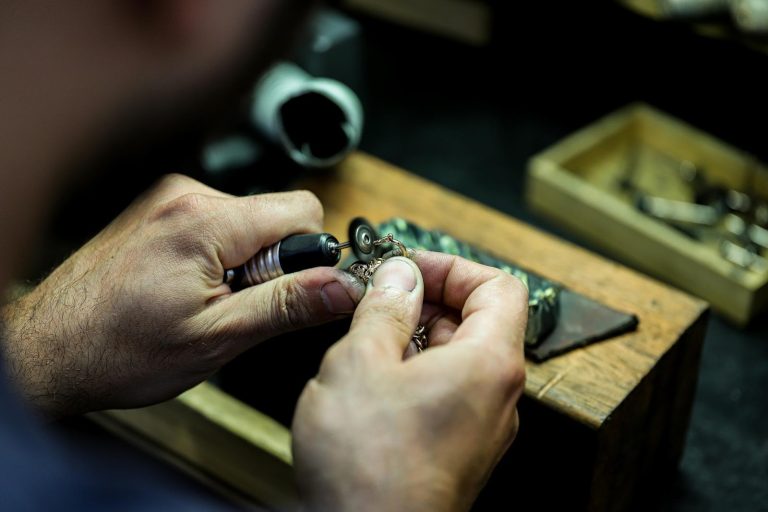
The Problem with Always Thinking
Our brains are always on. Between work tasks, emails, group chats, and endless scrolling, most people never get a break from thinking.
That’s not healthy.
The American Psychological Association reports that 79% of U.S. adults feel stress at least once a week. Nearly half say they feel burnout regularly. Anxiety is up. Sleep is down. Focus is wrecked.
Part of the problem? Most stress solutions rely on more thinking. Journaling. Planning. Talking. These help, sure—but they also keep your brain in gear.
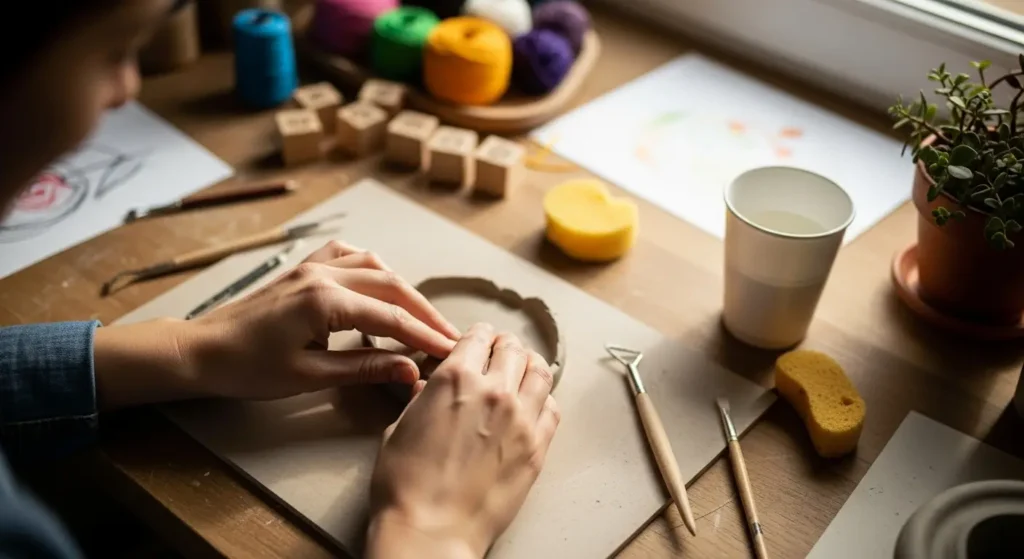
Sometimes, the fix is not more thought. It’s more doing.
Hands Do What the Brain Can’t
Hands-on work is a reset button.
When you clean a sink, organize a shelf, or wax a car, your brain shifts. It stops bouncing around. You focus on the task. That’s all.
This is known as “task-based mindfulness”. It’s not about sitting still. It’s about doing something real, physical, and with a clear end.
A 2021 study in Occupational Therapy International found that hands-on tasks reduce heart rate, anxiety, and cortisol faster than passive relaxation. Simple actions like folding laundry or chopping vegetables help the nervous system calm itself.
No deep breathing required.
Real-Life Example: A Car and a Calm Mind
Thomas John Rowland works in auto detailing. His job is all about the small stuff—polishing, wiping, organizing, repeating.
He says it’s the most peaceful part of his day.
“When I start on a car, I forget everything else. I’m not worried about bills or the future. I’m just focused on getting that mirror clean, fixing that streak, checking every corner.”
Rowland’s focus isn’t accidental. His brain is following his hands. And that’s the point.
Why It Works: The Science of Doing
Hands-on tasks engage different brain systems than problem-solving.
Here’s how:
- Motor skills take attention away from rumination.
- Tactile feedback keeps you anchored in the present.
- Simple goals reduce cognitive overload.
- Visible progress provides satisfaction and reward.
Basically, doing a physical task short-circuits the stress loop.
You don’t just think about stress—you work it out.
What Counts as Hands-On Work?
Not all hands-on work is created equal. It needs to be active, simple, and clear.
These activities work well:
- Cleaning (floors, windows, cars, anything)
- Organizing shelves, drawers, or tools
- Gardening or yard work
- Painting a wall or furniture
- Hand-washing dishes
- Cooking (especially chopping, stirring, kneading)
- Fixing or assembling things
- Brushing or bathing a pet
You don’t need a workshop. You don’t need power tools. Just use your hands and stay in motion.
What to Avoid
Not everything physical will help. Some things make stress worse.
Avoid:
- Multitasking while working (no podcasts or YouTube)
- Complicated instructions (no IKEA furniture during a meltdown)
- Overthinking the outcome (don’t stress over perfection)
The task should be easy to start and satisfying to finish. Don’t use it to prove anything.
What the Research Says
- A study from Mindfulness (2014) showed that people who washed dishes with focused attention reduced nervousness by 27% and increased calm feelings by 25%.
- A 2019 meta-review in Journal of Health Psychology found that even light physical activity like sweeping or folding laundry improved mood, attention, and short-term memory.
- The University of Otago reported that people who engaged in creative hands-on activities slept better and experienced fewer depressive symptoms.
Focus improves when the brain stops juggling. Hands-on work makes that possible.
Who This Works Best For
This approach works for anyone, but it’s especially good for:
- People with anxiety or racing thoughts
- People who sit at desks all day
- Teens and adults with ADHD
- Anyone who feels stuck in their head
Hands-on work doesn’t fix everything. But it’s a great first step when your thoughts won’t stop and your to-do list looks like a wall.
When to Use It
Use hands-on work when:
- You feel overwhelmed and can’t think straight
- You’re stuck in analysis mode
- You’ve been doom-scrolling for 20 minutes
- You can’t make a decision
- You want to rest, but your brain won’t
Even 10–15 minutes is enough. Think of it as a mental reset button.
How to Make It a Habit
Start small
Pick one task that takes 10 minutes or less. Wipe the counter. Clean out the car cupholders.
Attach it to something
Do it after lunch. Or before bed. Or every time you feel stuck.
Don’t overthink it
You don’t need a full cleaning day or big project. Keep it low effort.
Stay consistent
Repetition matters more than variety. It’s not about doing everything. It’s about doing something with your hands.
Let it be quiet
Don’t fill the silence with noise. Give your brain space.
Unexpected Benefits
People who practice hands-on focus often report:
- Better sleep
- Lower resting heart rate
- Fewer headaches
- Better decision-making
- A stronger sense of control
- Less procrastination
Hands-on work reminds you that small wins count. You don’t need to solve your life—you just need to clean one thing.
Final Thoughts
Stress doesn’t always need a long conversation or a new mindset. Sometimes, it just needs motion.
Wipe something down. Fix something. Feed the dog. Use your hands.
The brain will follow.
Thomas John Rowland puts it simply:
“I can’t always fix my problems in the moment. But I can clean the car. I can take care of something right now. And that’s enough to reset everything.”
Action Checklist
- Pick a hands-on task you enjoy
- Set a 10-minute timer
- Focus only on the task—no music, no phone
- Observe how you feel before and after
- Repeat every day for one week
No special gear. No big system. Just your hands, some motion, and a little peace.
Source: https://baddiehub.news/