Most people do not think about financial safety nets until they are already in the middle of a crisis. A medical bill arrives out of nowhere, a car suddenly needs repairs, or a job change interrupts income. These moments often force individuals to rely on credit cards, personal loans, or other costly forms of borrowing. That is usually how the cycle of urgent debt begins. Understanding how to build a cushion before these events occur is one of the most powerful ways to avoid needing programs like emergency debt relief.
A financial safety net is not a single tool. It is a combination of habits, buffers, and decisions that protect you from unexpected expenses. At the center of this system is an emergency fund, which serves as your personal shock absorber. When you have cash set aside, you can navigate challenges with much more confidence and far fewer financial consequences.
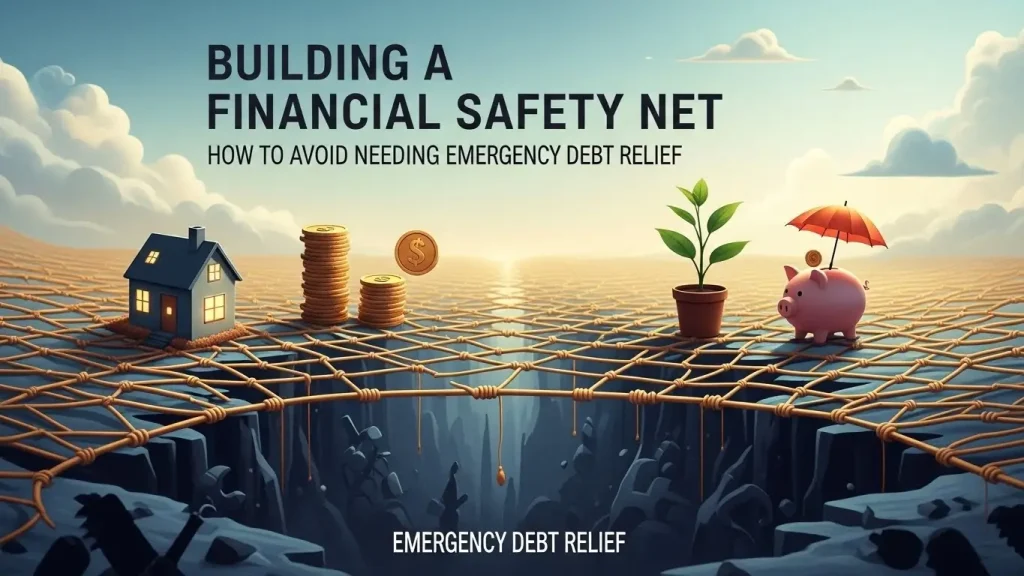
Below are the key strategies that help develop a strong, reliable safety net and reduce the risk of falling into emergency debt.
Starting With an Emergency Fund
The emergency fund is the cornerstone of financial preparedness. It is the clear difference between a temporary setback and a long-term financial problem. The goal is to reserve money specifically for unpredictable events rather than everyday expenses.
A common recommendation from financial educators is to aim for three to six months of essential living costs. This can include rent or mortgage payments, utilities, groceries, insurance, and transportation. For some households, especially those with variable income, a larger cushion offers even more security.
You do not need to save the full amount at once. Starting with a small target such as five hundred dollars or one thousand dollars creates an immediate buffer that can handle many minor emergencies. Over time, adding consistent contributions allows your fund to grow without overwhelming your budget.
Guidance from reputable sources like the Consumer Financial Protection Bureau offers helpful steps for assessing how much emergency savings is realistic based on your lifestyle and obligations.
Building Savings into Your Monthly Routine
Creating a financial safety net works best when saving becomes automatic. Setting aside a portion of each paycheck before spending anything else helps strengthen the habit and reduces the temptation to skip contributions.
You can:
- Set up automatic transfers to a separate savings account
- Use budgeting apps to track contributions
- Adjust savings during higher income months to build momentum
The point is consistency, not perfection. Even small deposits accumulate into meaningful protection over time.
The Federal Deposit Insurance Corporation provides reliable information about high yield savings accounts that can help your emergency fund grow faster with minimal risk.
Separating Emergency Savings from Everyday Money
One common mistake is keeping emergency savings in the same account used for daily spending. When the money is mixed together, it becomes harder to distinguish between essential reserves and regular cash flow, increasing the likelihood of dipping into funds meant for emergencies.
Keeping your emergency fund in a designated savings account creates a psychological boundary. It is available when you truly need it, but just far enough out of reach to avoid everyday impulse spending.
This separation also makes it easier to track progress. Watching the balance grow can reinforce motivation and highlight your increasing financial resilience.
Reducing Reliance on High Interest Debt
Another essential part of building a safety net is reducing dependence on costly forms of borrowing. High interest credit cards, payday loans, and emergency personal loans can escalate an unexpected expense into long term financial strain.
Reducing reliance on these tools involves:
- Paying down existing credit card balances
- Avoiding unnecessary new debt
- Choosing lower interest borrowing options when needed
- Strengthening your credit score to improve future loan terms
The more you minimize high interest obligations, the more room you create in your budget to build and maintain your emergency fund.
Preparing for Variable and Seasonal Expenses
Many households plan for everyday bills but overlook irregular costs. Vehicle maintenance, annual insurance premiums, membership renewals, and holiday spending can all strain a budget when not anticipated.
A practical solution is to create sinking funds. These are small savings categories that receive monthly contributions throughout the year. By the time the expense arrives, you already have money set aside.
This approach prevents routine but infrequent bills from draining your emergency fund or forcing you to use credit.
Strengthening Income Stability
A solid safety net is not only about reducing expenses and increasing savings. Income stability is a crucial factor. Strategies can include:
- Developing a marketable skill or certification
- Pursuing part time work or freelance opportunities
- Negotiating pay raises when appropriate
- Building professional networks to improve job security
The more stable and flexible your income sources, the easier it becomes to consistently build savings.
Reviewing and Adjusting Your Financial Plan Regularly
A financial plan is not static. Life circumstances change, and your financial strategies should adapt accordingly. Reviewing your budget, savings goals, and emergency fund at least every six months ensures your plan remains aligned with current needs.
During these reviews, consider:
- Expanding your fund after a promotion or pay raise
- Temporarily reducing contributions during challenging months
- Adjusting essential expense calculations
- Reevaluating debt payoff strategies
Regular maintenance prevents your safety net from eroding over time.
The Long-Term Value of a Financial Safety Net
Avoiding the need for emergency debt relief is less about reacting to crisis and more about preparing intentionally for the unpredictable. When you establish a strong emergency fund, reduce reliance on high interest debt, and cultivate steady savings habits, you create financial stability that protects you at every stage of life.
A well-built safety net does more than shield you from emergencies. It reduces stress, increases confidence, and provides room to make thoughtful long-term decisions. With a clear plan and consistent effort, anyone can build a buffer that transforms financial uncertainty into manageable challenges rather than emergencies.