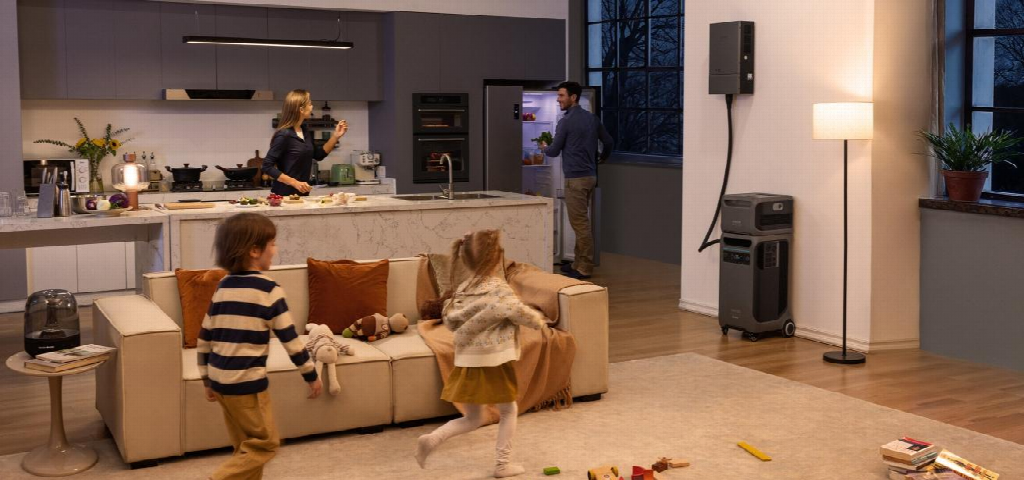
Quiet backup power matters when outages happen at night, during remote work, or anytime loud engine noise would disrupt your home. Many homeowners want a solution that keeps essentials running without fuel storage, exhaust fumes, or constant generator sound. Portable power stations meet that need by delivering stored electricity with far less noise and more flexible placement. They can support refrigerators, lights, routers, medical devices, and other key loads while remaining cleaner and easier to use indoors. Choosing the right system starts with understanding capacity, output, charging options, and everyday practicality during extended outages.
What to Look for in a Quiet Home Backup Power System?
Battery Capacity for Extended Power During Outages
Battery capacity determines how long your backup power station system can keep essential devices running before it needs recharging. For short interruptions, a smaller unit may cover lights, phones, and internet equipment. For longer outages, homeowners should look for enough stored energy to support refrigerators, sump pumps, fans, medical equipment, and other critical loads for many hours or even days. Capacity is usually measured in kilowatt-hours, and larger numbers mean longer runtime. It is smart to estimate your daily energy use, then choose a system with enough reserve for overnight use and unexpected delays in recharging. Expandable capacity adds valuable flexibility as your household backup needs grow over time.
Output Power for Essential Home Appliances
Output power tells you how many appliances a backup system can run at once and whether it can handle demanding equipment at startup. This matters because some household devices, especially pumps, refrigerators, and air conditioners, need more power when they first turn on. A quiet home backup system should provide enough continuous AC output for your core loads and enough surge capability for motor-driven appliances. It should also match the voltage requirements of your home equipment. If you want more than phone charging and lighting, check whether the system can support kitchen appliances, laundry equipment, or HVAC components. Strong output makes a backup system more practical during real household outages.
Noise Levels, Efficiency, and Indoor-Friendly Design
A quiet backup solution should operate without the constant roar associated with fuel generators. Battery-powered systems are appealing because they run with minimal sound, produce no exhaust, and avoid the smell and storage concerns that come with gasoline or diesel. That makes them better suited for garages, utility spaces, or other protected areas where ventilation and convenience matter. Efficiency also plays a major role. A well-designed system wastes less energy during charging and discharging, helping stored power last longer. Look for clear displays, easy controls, and app-based monitoring so you can manage power use quickly. Indoor-friendly design improves comfort, safety, and usability during stressful outages and overnight disruptions.
Anker SOLIX F3800 Plus: A Quiet Backup Power Option for Homes
High-Capacity Energy Storage and Expandable Backup Power
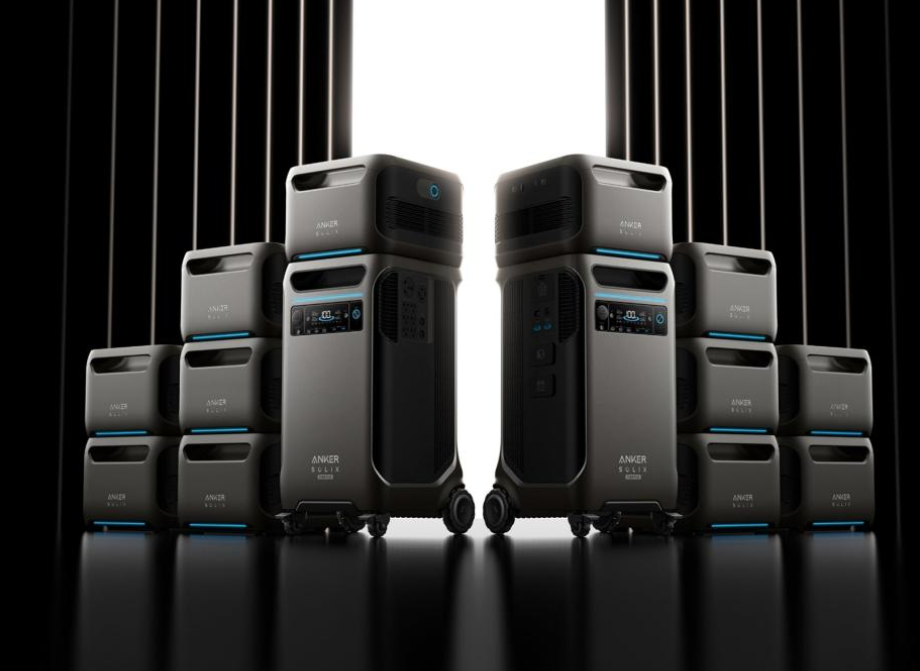
The Anker SOLIX F3800 Plus is designed for homeowners who want substantial backup power without generator noise. It starts at 3.84kWh with 6kW output and can expand to 53.8kWh with 12kW, providing enough stored energy for days to week-long backup depending on household load. That range makes it suitable for both emergency essentials and broader home energy support. The unit uses EV-grade LFP batteries rated for 10+ years of lifespan, which helps support long-term reliability, and it includes a 5-year warranty. For homeowners planning around storms, grid outages, or recurring utility interruptions, expandable storage is a major advantage because backup needs often increase over time.
Supporting 120V/240V Appliances and Home Energy Needs
A key advantage of the Anker SOLIX F3800 Plus is its dual-voltage 120V/240V output, which allows it to support a wider range of household equipment than smaller emergency power units. With 6kW AC output per unit, it can handle many essential and high-demand applications, from refrigerators and lighting circuits to larger appliances and even central AC in appropriate setups. That makes it a practical option for homeowners who want backup power that goes beyond charging electronics. Instead of limiting use to a few low-watt devices, the system is built for real home energy needs. This broader appliance support helps households stay safer, more comfortable, and more functional during longer outages.
Solar Charging and Smart Energy Management Features
The Anker SOLIX F3800 Plus also supports fast, flexible recharging that fits modern backup planning. It accepts up to 3,200W of solar input and uses dual MPPT with an 11-165V range, helping homeowners capture solar energy efficiently across different panel configurations. In optimal sunlight, it can fully recharge in under 2 hours, which is especially useful during multi-day outages when grid power is unavailable. The Anker app adds practical control by letting users track charging, usage, and battery status in real time. That visibility helps you prioritize critical loads, monitor remaining energy, and adjust charging strategy quickly, making backup power easier to manage during changing conditions at home.
Conclusion
Quiet backup power solutions give homeowners a cleaner, more comfortable way to stay prepared for outages. The right system should offer enough battery capacity, strong output for essential appliances, and an indoor-friendly design that avoids the noise and maintenance of fuel-powered equipment. For households that need more robust backup, the Anker SOLIX F3800 Plus stands out with expandable storage, 120V/240V support, fast solar charging, and app-based monitoring. Those features make it well suited for keeping critical home systems running without adding disruption. A quieter backup setup does more than restore electricity; it helps preserve normal life when the grid goes down.