
Sophie Rain XXBrits sustainable eco-fashion is a presentation of environmentally conscious fashion choices and ethical styling on the XXBrits section of BaddieHub. Sophie Rain XXBrits sustainable eco-fashion connects style, sustainability, and ethical production in one editorial focus. BaddieHub presents Sophie Rain as an eco-fashion ambassador for XXBrits. XXBrits presents fashion coverage with an emphasis on responsible choices. The page explains sustainable fabrics, ethical certifications, slow fashion practices, and practical wardrobe decisions.
What Is Sophie Rain XXBrits Sustainable Eco-Fashion?
Sophie Rain XXBrits sustainable eco-fashion is a presentation of environmentally conscious fashion choices and ethical styling under the Sophie Rain XXBrits feature on BaddieHub. The feature frames Sophie Rain as an eco-fashion ambassador for XXBrits. The feature covers sustainable materials, ethical production, and long-lasting wardrobe choices. The feature treats style and sustainability as compatible goals. The feature gives readers a practical path toward responsible fashion decisions.
Sustainable eco-fashion covers 3 connected areas: materials, production, and product lifespan. Materials include organic cotton, linen, hemp, recycled fibers, and upcycled fabrics. Production includes fair wages, safe working conditions, and transparent supply chains. Product lifespan includes durable construction, repairable design, and care practices that extend garment use. Sophie Rain XXBrits sustainable eco-fashion addresses all 3 areas through editorial coverage on BaddieHub. Readers encounter the topic through fashion features, creator coverage, and style guidance on the platform.
The Sophie Rain XXBrits feature sits inside a wider fashion ecosystem on BaddieHub. BaddieHub fashion trends coverage tracks current styles across the platform. BaddieHub fashion pages document trend cycles and creator looks. BaddieHub style coverage connects outfits, beauty routines, and personal presentation. The Sophie Rain XXBrits feature adds an ethical dimension to that ecosystem. The ethical dimension distinguishes the feature from trend-only coverage.
Who Is Sophie Rain as an Eco-Fashion Ambassador on XXBrits?
Sophie Rain is presented on BaddieHub as an eco-fashion ambassador for XXBrits who champions environmentally conscious fashion choices and ethical styling. The ambassador role, as presented on the page, centers on advocacy for sustainable materials and ethical production. The ambassador role includes guidance toward eco-friendly brands and responsible wardrobe habits. The ambassador role connects fashion audiences with sustainability concepts through creator-led coverage. The page presents the role as editorial positioning, not as a verified employment record.
Readers find related Sophie Rain coverage in 2 additional locations on BaddieHub: Sophie Rain on BaddieHub and Sophie Rain Fapello. The BaddieHub page presents Sophie Rain within the platform creator context. The Fapello page presents Sophie Rain within a separate gallery context. The XXBrits page presents Sophie Rain within the sustainable eco-fashion context. Each page serves a distinct editorial purpose. The XXBrits page remains the primary source for the eco-fashion ambassador theme.
Ambassadorship in fashion media carries 4 functions: visibility, education, curation, and advocacy. Visibility places sustainable fashion before a broad audience. Education explains materials, certifications, and production impacts in plain terms. Curation selects brands, collections, and practices that meet ethical criteria. Advocacy promotes long-term change in consumption habits. The Sophie Rain XXBrits feature performs all 4 functions through its editorial structure. The structure keeps the ambassador theme tied to actionable fashion guidance.
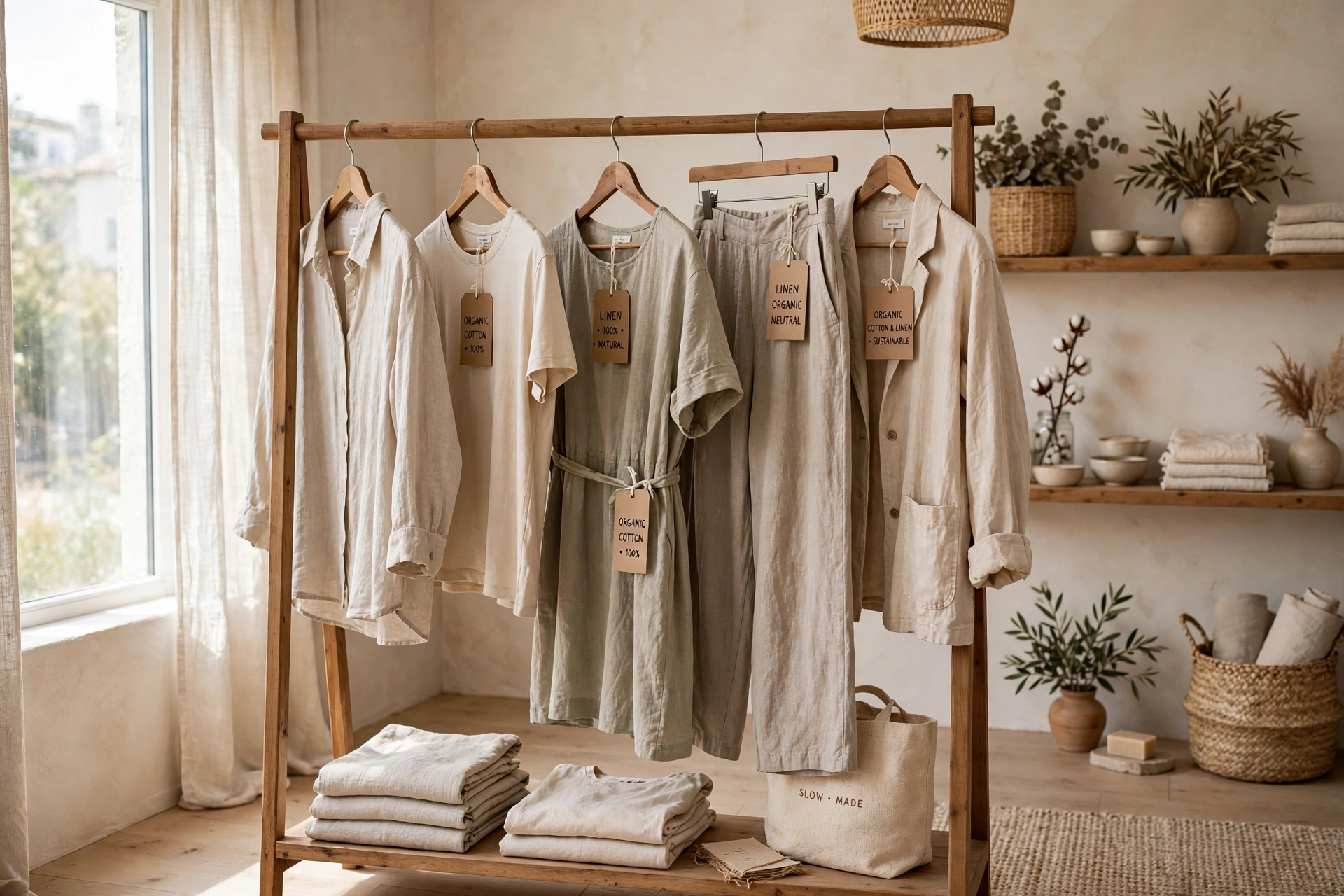
Why Is Sustainable Fashion Important?
Sustainable fashion is important because sustainable fashion reduces environmental harm, supports fair working conditions, and extends the useful life of clothing. Fast fashion production consumes large volumes of water, energy, and raw materials. Fast fashion consumption generates textile waste through short product lifespans and frequent disposal. Sustainable fashion counters both problems through durable design, responsible materials, and conscious purchasing. The combined effect protects environmental resources and improves labor standards across the supply chain.
Environmental harm from fashion production takes 4 main forms: water consumption, chemical pollution, carbon emissions, and textile waste. Water consumption rises through cotton cultivation and dyeing processes. Chemical pollution enters waterways through untreated dye effluent and synthetic finishing treatments. Carbon emissions accumulate across fiber production, manufacturing, transport, and retail operations. Textile waste grows when garments reach landfill after brief use. Sustainable fashion addresses each form through material selection, cleaner production, and longer garment lifespans.
Labor conditions form the second pillar of sustainable fashion importance. Garment workers in low-cost production regions face documented risks: unsafe factory conditions, excessive working hours, and wages below living standards. Ethical fashion production requires safe workplaces, regulated hours, and fair pay. Certifications and audits verify compliance with labor standards. Consumer demand for certified products increases the market share of compliant producers. The labor pillar connects every purchase decision to worker welfare in concrete terms.
Baddie culture and impact coverage shows how fashion communities shape purchasing behavior. Cultural impact of BaddieHub coverage documents the platform role in trend diffusion. Trend diffusion accelerates fast fashion cycles when audiences copy looks rapidly. Sustainable fashion coverage slows that cycle through education about quality, longevity, and ethical sourcing. The Sophie Rain XXBrits feature contributes to that education within the BaddieHub fashion community.
What Is XXBrits and Why Does XXBrits Matter in the Sustainable Fashion Movement?
XXBrits is a fashion and creator platform section on BaddieHub that presents creator features, style coverage, and trend editorial with a growing emphasis on responsible fashion. XXBrits connects creators, designers, and fashion audiences in one editorial space. The XXBrits section presents individual creator features alongside broader fashion topics. The Sophie Rain eco-fashion feature gives the XXBrits section a sustainability anchor. The anchor links creator influence to environmental responsibility.
XXBrits matters in the sustainable fashion movement for 3 reasons: audience reach, creator influence, and editorial framing. Audience reach places sustainability messages before fashion audiences who follow creator content. Creator influence converts abstract sustainability concepts into visible style choices. Editorial framing connects individual looks to material origins, production ethics, and garment lifespan. The 3 reasons combine into a practical channel for sustainability education. The channel operates through content audiences already consume.
Related XXBrits creator features expand the section context. Lauren Alexis on XXBrits presents another creator feature within the same section. Emily Black on XXBrits presents a further creator feature within the same section. Corinna Kopf on XXBrits presents a third creator feature within the same section. The Sophie Rain feature differs from those features through its explicit eco-fashion focus. The eco-fashion focus defines the page topic and keeps the content within sustainable fashion discipline.
What Are the Main Eco-Friendly Fabrics in Sustainable Fashion?
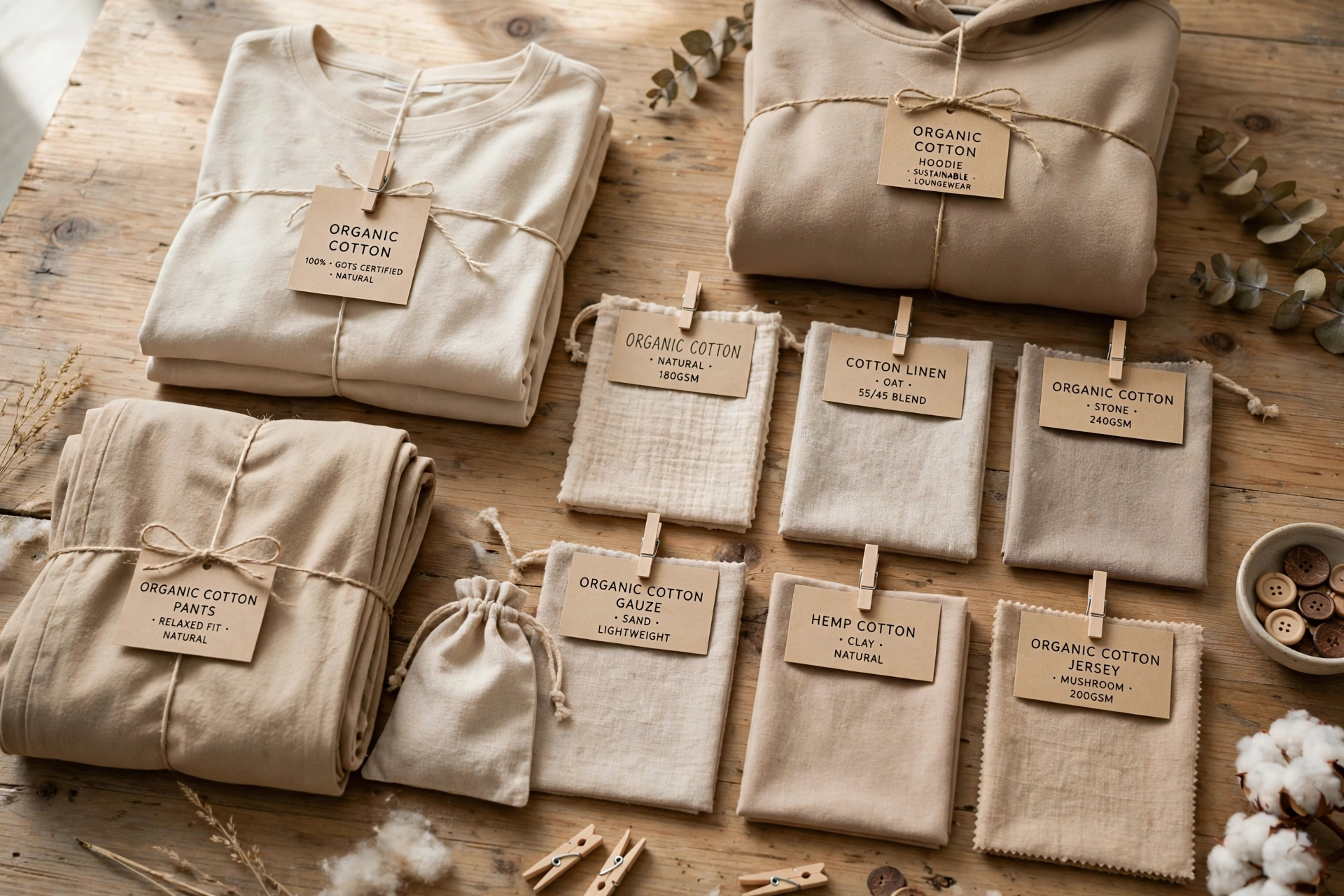
There are 5 main eco-friendly fabrics in sustainable fashion: organic cotton, linen, hemp, recycled polyester, and TENCEL lyocell. Each fabric reduces environmental impact through a distinct mechanism. Each fabric carries distinct care requirements and durability profiles. Fabric selection determines a large share of a garment environmental footprint. Readers benefit from understanding all 5 fabrics before making purchase decisions.
- Organic cotton: Organic cotton grows without synthetic pesticides and synthetic fertilizers. Organic cotton certification verifies farming practices and chain of custody. Organic cotton garments offer breathability and softness for everyday wear.
- Linen: Linen derives from the flax plant. Flax cultivation requires limited irrigation and limited chemical input. Linen garments offer durability and natural temperature regulation.
- Hemp: Hemp grows rapidly with minimal water and minimal pesticide use. Hemp fiber produces strong, long-lasting textiles. Hemp garments soften with repeated washing while retaining structural integrity.
- Recycled polyester: Recycled polyester derives from post-consumer plastic bottles or discarded textiles. Recycled polyester production diverts waste from landfill. Recycled polyester suits activewear and outerwear applications.
- TENCEL lyocell: TENCEL lyocell derives from sustainably sourced wood pulp. TENCEL lyocell production uses a closed-loop solvent system. TENCEL lyocell garments offer drape, softness, and moisture management.
How Can Readers Make Sustainable Fashion Choices?
To make sustainable fashion choices, follow 5 steps: audit the current wardrobe, set a purchase standard, verify certifications, choose durable construction, and maintain garments correctly. The 5 steps convert sustainability principles into a repeatable purchasing routine. The routine reduces waste, reduces spending on disposable items, and increases wardrobe satisfaction. Each step builds on the previous step. Readers apply the steps in order for consistent results.
- Audit the current wardrobe: Count existing garments by category. Identify gaps, duplicates, and unworn items. Record the audit results before any new purchase.
- Set a purchase standard: Define acceptable materials, acceptable price ranges, and acceptable brand practices. Write the standard down for reference during shopping. Decline items that fail the standard.
- Verify certifications: Check product labels for recognized certifications. Confirm certification claims through brand transparency pages. Treat uncertified sustainability claims with skepticism.
- Choose durable construction: Inspect stitching density, seam finishing, and fabric weight. Select reinforced stress points and quality fastenings. Prefer timeless designs over short-lived trend pieces.
- Maintain garments correctly: Wash garments in cold water. Line dry garments instead of machine drying. Repair minor damage promptly instead of discarding garments.
Impulse purchasing undermines all 5 steps. A waiting period of 7 days between desire and purchase filters trend-driven acquisitions. A wardrobe gap test asks one question: the new item must fill a documented gap in the audit. A cost-per-wear calculation divides price by expected wears across the garment lifespan. Durable garments achieve lower cost-per-wear than disposable garments despite higher purchase prices. The 3 checks protect the routine from marketing pressure.
What Are the Main Ethical Fashion Certifications?
There are 4 main ethical fashion certifications for readers to recognize: Global Organic Textile Standard (GOTS), Fair Trade, OEKO-TEX Standard 100, and Bluesign. Each certification verifies a distinct set of criteria. Each certification uses independent auditing. Certification labels give readers a verification shortcut during shopping. Readers combine certification knowledge with brand transparency research for full confidence.
- Global Organic Textile Standard (GOTS): GOTS certifies organic fiber content and processing standards. GOTS covers environmental criteria and social criteria across the supply chain. GOTS certification requires a minimum organic fiber percentage.
- Fair Trade: Fair Trade certification verifies fair wages and safe working conditions. Fair Trade certification supports producer communities through premium payments. Fair Trade certified garments carry traceable supply chain documentation.
- OEKO-TEX Standard 100: OEKO-TEX Standard 100 tests textiles for harmful substances. OEKO-TEX Standard 100 certification applies to every component of a garment. OEKO-TEX Standard 100 gives readers chemical safety assurance.
- Bluesign: Bluesign certification evaluates resource productivity, consumer safety, water emissions, and air emissions. Bluesign approved manufacturers meet strict environmental and safety input criteria. Bluesign certification signals cleaner production processes.
Certification limits deserve reader attention. Certifications verify specific criteria, not every sustainability dimension. A GOTS certified garment still carries transport emissions. A Fair Trade certified garment still consumes water during production. Readers treat certifications as strong evidence within defined scopes. Readers combine certifications with durability assessment and consumption reduction for complete sustainable practice.
How Does Sophie Rain Present Eco-Fashion on XXBrits?
Sophie Rain presents eco-fashion on XXBrits through editorial features that connect sustainable materials, ethical brands, and practical styling guidance for BaddieHub readers. The presentation format uses creator-led storytelling. Creator-led storytelling translates sustainability concepts into visible wardrobe choices. The presentation includes material explanations, brand spotlights, and care guidance. The presentation keeps style central while adding ethical context to each choice.
The presentation covers 3 content types: educational features, brand guidance, and style inspiration. Educational features explain fabrics, certifications, and production impacts. Brand guidance directs readers toward producers that meet ethical criteria. Style inspiration demonstrates sustainable outfits across occasions and seasons. The 3 content types serve distinct reader needs within one editorial theme. The theme remains sustainable eco-fashion throughout all 3 content types.
Style inspiration on BaddieHub connects the eco-fashion feature to wider platform content. Baddie outfit ideas pages present outfit combinations across styles. Baddie makeup and style pages connect beauty routines with outfit presentation. How to be a baddie pages offer practical presentation guidance. The baddie look pages document signature aesthetic elements. Sustainable styling adapts those elements through durable materials and ethical sourcing. The adaptation preserves aesthetic identity while changing material impact.
What Are Real-Life Examples of Sustainable Fashion Practices?
There are 4 real-life examples of sustainable fashion practices in established brand programs: resale and repair programs, deadstock collections, organic material lines, and rental services. Each example demonstrates one mechanism for reducing fashion waste. Each example operates at commercial scale. Readers recognize these mechanisms across brands and retail channels. The mechanisms give readers concrete models for sustainable consumption.
Resale and repair programs extend garment lifespans through structured second ownership. Patagonia operates the Worn Wear program for used garment resale and repair. Worn Wear keeps functional garments in circulation instead of landfill. Repair services restore damaged garments to wearable condition. Resale platforms create markets for pre-owned clothing across price levels. The resale mechanism reduces demand for new production per wear.
Deadstock collections convert surplus fabric into finished garments. Reformation uses deadstock fabrics and eco-friendly dyes in selected collections. Deadstock fabric use prevents usable textile waste. Organic material lines substitute certified fibers for conventional fibers across product ranges. Rental services provide occasion wear without ownership or disposal. The 4 mechanisms combine into a toolkit readers apply through brand selection and purchasing habits.
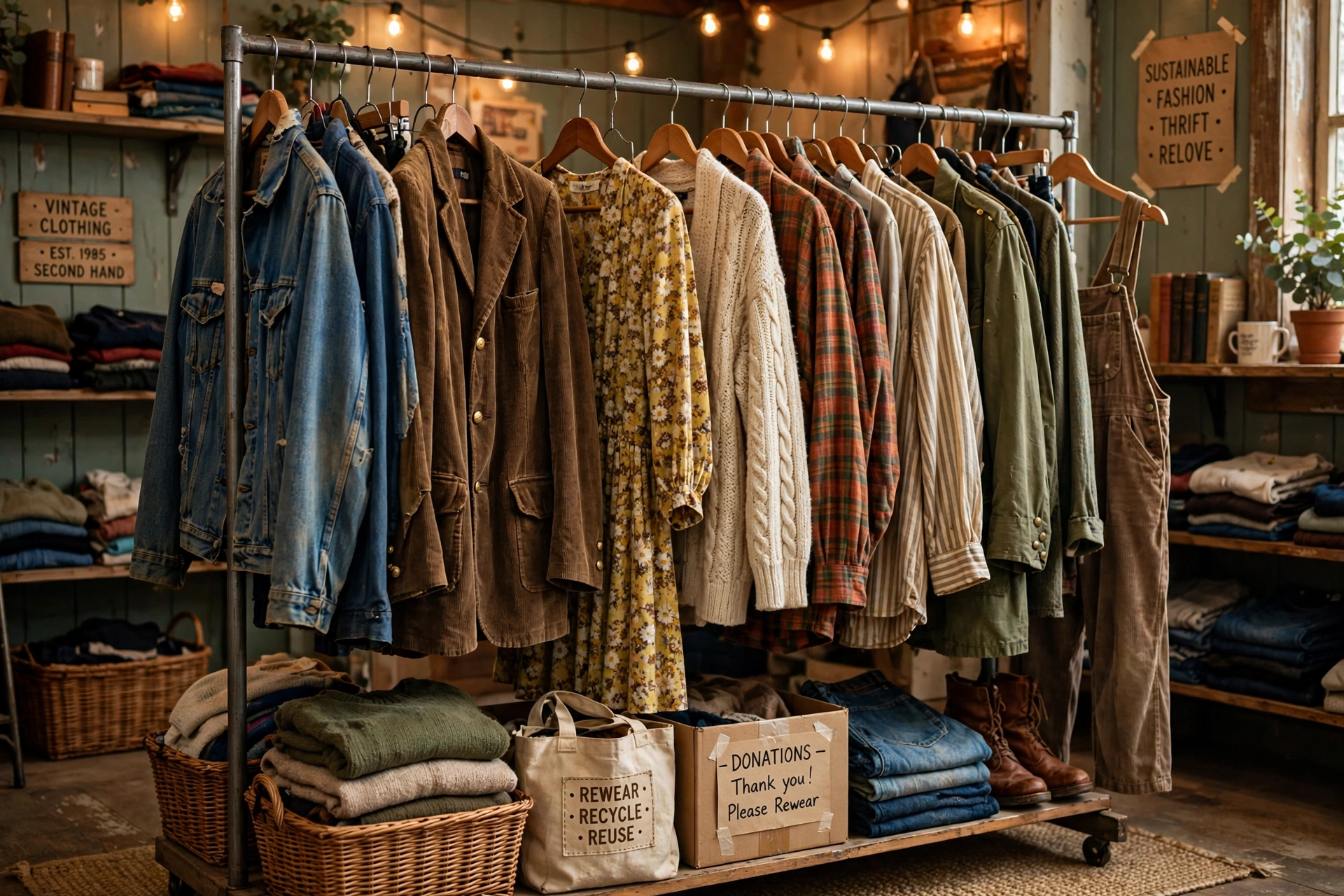
Second-hand and vintage shopping extends the resale mechanism to individual readers. Vintage garments offer unique designs unavailable in current mass production. Second-hand purchases avoid new production impacts entirely. Thrift shops, consignment stores, and online resale platforms supply second-hand inventory. Quality inspection matters in second-hand shopping: readers check seams, fabric condition, and fastenings before purchase. Second-hand shopping delivers sustainability benefits at accessible price points.
How Does Slow Fashion Differ From Fast Fashion?
Slow fashion differs from fast fashion across 5 dimensions: production speed, garment lifespan, material quality, labor standards, and price structure. Fast fashion prioritizes rapid trend replication and low purchase prices. Slow fashion prioritizes durable design and responsible production. The 5 dimensions explain why slow fashion garments cost more per item and less per wear. Readers use the 5 dimensions to evaluate any brand or garment.
The table below compares slow fashion and fast fashion across the 5 dimensions. The columns show the dimension, the slow fashion approach, and the fast fashion approach. The table gives readers a direct comparison tool for brand evaluation.
| Dimension | Slow Fashion | Fast Fashion |
|---|---|---|
| Production speed | Seasonal or made-to-order cycles | Weekly or daily trend replication |
| Garment lifespan | Years of regular wear | Weeks or months of wear |
| Material quality | Certified organic or recycled fibers | Low-cost conventional synthetics |
| Labor standards | Audited fair wages and safe conditions | Minimal oversight and low wages |
| Price structure | Higher purchase price, lower cost per wear | Lower purchase price, higher cost per wear |
What Is the Future of Sustainable Fashion on XXBrits?
The future of sustainable fashion on XXBrits involves expanded creator-led sustainability coverage, deeper material education, and stronger connections between style content and ethical purchasing guidance. Audience awareness of fashion impacts continues to grow. Brand transparency tools continue to improve. Creator platforms continue to shape purchasing behavior. The 3 trends position XXBrits sustainability coverage for expansion. Expansion serves readers who seek style guidance with ethical context.
Technology shapes the sustainable fashion future through 4 developments: digital product passports, AI-assisted wardrobe planning, improved textile recycling, and transparent supply chain tracking. Digital product passports record material composition and care instructions. AI-assisted wardrobe planning reduces duplicate purchases through outfit optimization. Improved textile recycling converts old garments into new fibers at scale. Transparent supply chain tracking verifies origin claims through published data. The 4 developments increase reader ability to verify sustainability claims independently.
Platform content supports the future direction. Top BaddieHub influencers coverage documents creator influence across the platform. BaddieHub brand identity coverage defines platform positioning. BaddieHub content creation process coverage explains editorial production. What is BaddieHub coverage introduces new readers to the platform. Sustainability coverage integrates with all 4 content areas as audience expectations evolve. Integration keeps the Sophie Rain XXBrits feature relevant within platform growth.
What Are the Main Challenges in Sustainable Fashion?
There are 4 main challenges in sustainable fashion: higher purchase prices, greenwashing, limited size and style ranges, and recycling infrastructure gaps. Each challenge slows sustainable fashion adoption. Each challenge affects distinct reader groups. Acknowledging challenges strengthens reader trust in sustainability coverage. Solutions exist for each challenge at reader level and industry level.
- Higher purchase prices: Sustainable garments cost more through certified materials and fair labor. Cost-per-wear calculations offset purchase prices across garment lifespans. Second-hand shopping provides sustainable options at lower prices.
- Greenwashing: Greenwashing describes misleading sustainability claims without verified evidence. Certification verification and brand transparency research expose greenwashing. Readers check specific claims instead of accepting vague sustainability language.
- Limited size and style ranges: Sustainable brands historically offered narrow size ranges and minimal styles. Range expansion continues across sustainable brands. Readers find growing options through brand directories and resale markets.
- Recycling infrastructure gaps: Textile recycling facilities remain limited in number and capability. Blended fibers resist current recycling processes. Readers extend garment life through care, repair, and resale while infrastructure develops.
BaddieHub merchandise coverage shows platform-branded product presentation. Hair and beauty trends coverage extends style guidance beyond clothing. Merchandise and beauty coverage share the same sustainability questions as fashion: material origins, production ethics, and product lifespan. Readers apply identical verification habits across all 3 categories. Consistent habits simplify sustainable consumption decisions.
Summary of Sophie Rain XXBrits Sustainable Eco-Fashion
Sophie Rain XXBrits sustainable eco-fashion presents environmentally conscious fashion choices and ethical styling on BaddieHub. The feature covers 5 main eco-friendly fabrics, 4 main certifications, 5 purchasing steps, and 4 real-life sustainable practice models. Slow fashion differs from fast fashion across 5 dimensions. Sustainable fashion faces 4 main challenges with practical reader-level solutions. Readers apply fabric knowledge, certification verification, and wardrobe auditing to build durable, ethical wardrobes. Sophie Rain XXBrits sustainable eco-fashion gives BaddieHub readers a complete framework for responsible style decisions.
Frequently Asked Questions
What is Sophie Rain XXBrits sustainable eco-fashion?
Sophie Rain XXBrits sustainable eco-fashion is a BaddieHub feature presenting Sophie Rain as an eco-fashion ambassador for XXBrits. The feature covers environmentally conscious fashion choices and ethical styling. The feature explains sustainable fabrics, ethical certifications, and practical wardrobe decisions for readers.
What are the environmental impacts of fast fashion?
Fast fashion creates 4 main environmental impacts: water consumption, chemical pollution, carbon emissions, and textile waste. Fast fashion production consumes water through cotton cultivation and dyeing. Fast fashion disposal generates textile waste through short garment lifespans. Sustainable fashion reduces all 4 impacts through durable design and responsible materials.
How can readers find ethical fashion brands?
Readers find ethical fashion brands through 3 methods: certification label checks, brand transparency page reviews, and sustainable brand directory searches. Readers verify GOTS certification, Fair Trade certification, OEKO-TEX Standard 100 certification, or Bluesign certification on product labels. Readers treat uncertified sustainability claims with skepticism.
Can readers stay stylish while embracing sustainable fashion?
Yes, readers can stay stylish while embracing sustainable fashion through timeless designs, quality materials, and versatile wardrobe construction. Sustainable brands offer fashionable items in organic, recycled, and upcycled materials. Capsule wardrobes combine sustainable pieces into varied outfits across occasions and seasons.
What is the difference between slow fashion and fast fashion?
Slow fashion differs from fast fashion across 5 dimensions: production speed, garment lifespan, material quality, labor standards, and price structure. Slow fashion prioritizes durable design and responsible production. Fast fashion prioritizes rapid trend replication and low purchase prices. Slow fashion garments cost more per item and less per wear.
What are the best eco-friendly fabrics for everyday wear?
The best eco-friendly fabrics for everyday wear are organic cotton, linen, hemp, recycled polyester, and TENCEL lyocell. Organic cotton offers breathability and softness. Linen offers durability and temperature regulation. Hemp offers strength and longevity. Readers select fabrics by climate, garment type, and care preference.
How does clothing care extend garment life?
Clothing care extends garment life through 3 practices: cold water washing, line drying, and prompt repair. Cold water washing reduces fiber stress and color fading. Line drying prevents heat damage from machine drying. Prompt repair prevents minor damage from becoming garment-ending damage. Combined care practices add years to garment lifespans.
Is sustainable fashion more expensive than fast fashion?
Yes, sustainable fashion carries higher purchase prices than fast fashion through certified materials and fair labor costs. Sustainable fashion achieves lower cost per wear through longer garment lifespans. Second-hand shopping provides sustainable options at lower purchase prices. Cost-per-wear calculation gives readers an accurate price comparison.
What is greenwashing in fashion?
Greenwashing in fashion is misleading sustainability marketing without verified evidence. Greenwashing uses vague terms such as eco-friendly or green without certification backing. Readers expose greenwashing through certification verification and brand transparency research. Readers check specific material claims and specific production claims.
Where can readers learn more about BaddieHub fashion content?
Readers learn more about BaddieHub fashion content through BaddieHub fashion trends coverage, BaddieHub style coverage, and baddie outfit ideas pages. The Sophie Rain XXBrits feature adds sustainable eco-fashion context to that fashion coverage. Readers combine trend content with sustainability guidance for complete wardrobe decisions.