There is more than just sound and stage lighting to ensure a memorable concert or live music event. Visuals are used to connect with performers, to follow the energy of the show, and to experience details from various distances. A hire LED screen is a versatile solution for short-term needs for displaying live video, graphics, animations and lyrics. It is a modular system to suit different venue sizes, innovative stage configurations, and changing production needs. If selected, set up, and thought out correctly, LED screens can enhance the visual experience without taking anything away from the show.
1. Large LED Screens Improve Visibility Across Concert Venues
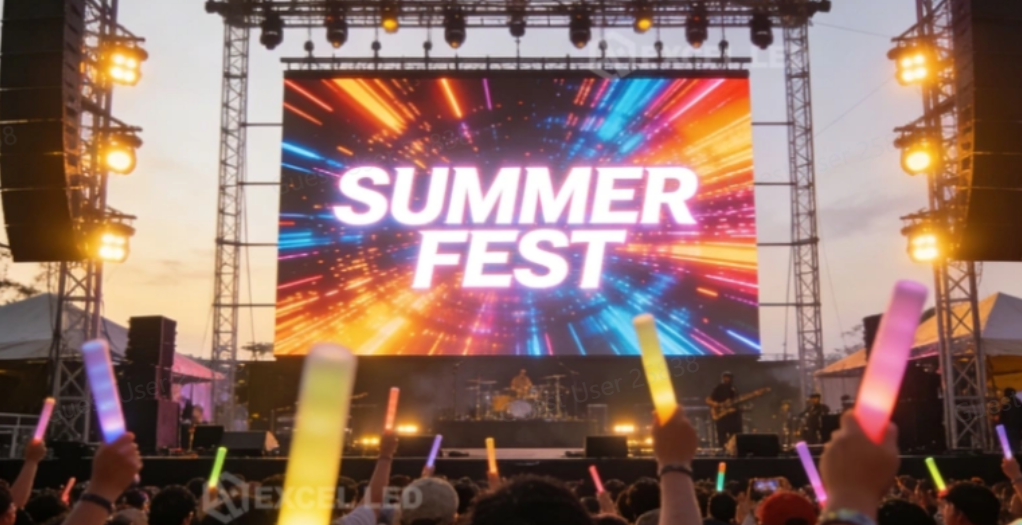
When performing in large venues, there may be thousands of people in the audience, and it is not easy for everyone to see what the performers are doing. Rental LED displays solve this problem by displaying close-up camera images, showing performance information, and providing supporting visuals on a large screen. The farthest audiences can see the facial movements, instruments, and movements on the stage.
These screens are also useful for keeping visual continuity in stadium concerts and outdoor festivals. To improve sightlines for different seating areas, more than one display can be used to either side or above the stage. They are effective based on screen location, viewing angles, resolution, and distance from the screen to the audience.
2. High-Quality Visuals Strengthen Live Music Performances
Visual material can be used to aid the music in terms of atmosphere and add to the artistic direction in a performance. The animated background, album images, lyrics, transitions, and motion graphics provided by LED screens react to various moments of the music. Good visuals can help to make a stage performance more immersive without being distracting to the performers.
The smaller the Pixel Pitch, the clearer the image will appear. P1.95 and P2.6 displays are better for indoor use, while P3.91 or P4.81 displays are better for larger stages and longer distances. By choosing the appropriate specification, the level of detail of the image and the size of the screen can be reduced, and the cost of the project can also be reduced.
3. Flexible Screen Designs Adapt to Creative Stage Layouts
Concert production crews are sometimes asked to work with different-sized stages, venue restrictions, and ideas. What sets modular LED panels apart is that they offer the flexibility to create screens of different sizes, instead of just one. A Rental LED Display Supplier like EXCEL LED can offer panel options that can be utilized for temporary event structures and customized visual arrangements.
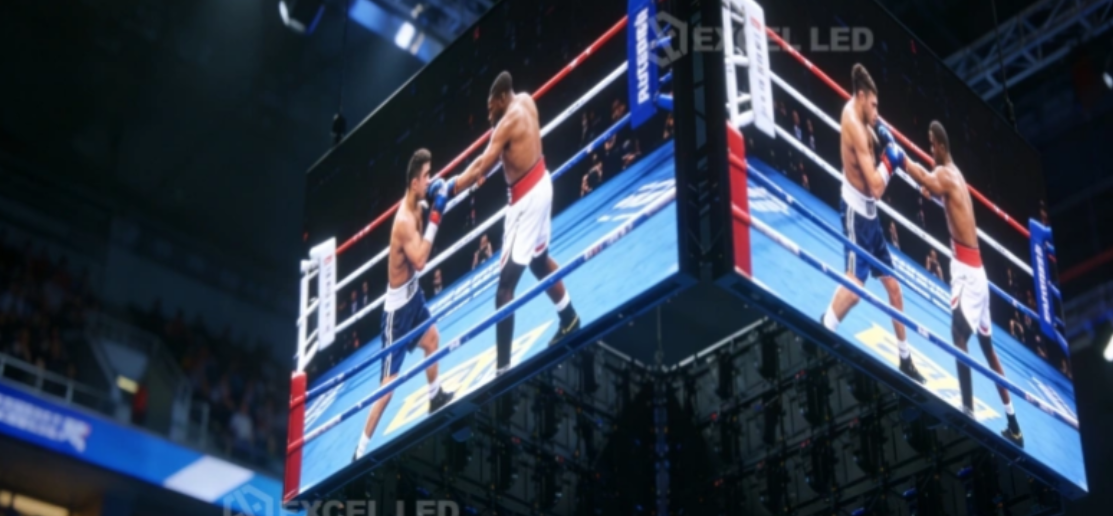
Standard size cabinets are available for stage size planning (500 × 500 mm and 500 × 1000 mm). Round backdrops, arches, and other interesting visual elements can be created by using curved panels. They can be used for syncing the screen with lighting rigs, stage architecture, and performer movements.
4. Indoor and Outdoor Displays Meet Different Event Conditions
There are different pieces of equipment needed for outdoor festivals and indoor concerts. The most important factor for indoor venues is usually the fine pixel pitch, the uniformity of the colors, and the brightness in indoor lighting. The closer the viewers are to the stage, the smaller the pixel pitch, the greater the amount of detail captured.
If the event is to be held outside, a brighter display will be required, which will be visible during the day. If the specification is appropriate for the environment, weather-resistant construction will also keep the equipment safe from rain, dust and moisture. If the installation is exposed, being IP rated, connections and drainage requirements are important.
The brightness requirements outside depend on the outside environment, the direction of the screen and the intensity of the sunlight. Therefore, it is important that the equipment selected is appropriate to the actual venue and not one-size-fits-all.
5. Fast Installation Supports Demanding Concert Schedules
Concerts often involve tight production schedules, especially when touring crews move between venues. Rental LED displays use modular cabinets and quick-lock mechanisms to simplify assembly and disassembly. This design can reduce installation time and make transportation between events more manageable.
Important Features for Concert Installations
- Quick-lock cabinets: Help technicians connect panels efficiently during stage preparation.
- Lightweight structures: Make handling and transportation easier for production crews.
- Protective flight cases: Reduce the risk of damage during repeated transportation.
- Spare modules: Provide replacement options if individual components develop faults.
- Secure mounting systems: Support stable installations when properly engineered and installed.
Screens may use ground-stacking systems or suspended trusses, depending on the venue and production design. Both methods require suitable structural calculations, load limits, and professional installation. Outdoor installations also need appropriate wind-resistance measures and protection against movement or overturning.
6. Reliable Playback Supports Cameras and Live Production
LED screens are often used in conjunction with camera footage, light effects, and playback systems in live music events. Content is rapidly changing throughout a show; a consistent display performance is needed. To minimize the noticeable flicker and scanning effect when cameras are shooting the screen, a high refresh rate is desirable.
The stability of playback, signal distribution, and content synchronization are also affected by control systems. Manufacturers, such as NovaStar, Colorlight, and Linsn, provide various options to meet different configurations and production requirements. The proper controller must be chosen to satisfy the display specifications, processing requirements, and video sources.
Brightness, color balance, signal connections, and compatibility of cameras should be tested by technicians before the performance starts. The upside to advance testing is that it gives time to make corrections to problems that are found.
7. Durable Panels Support Repeated Events and Touring
Rental exhibits are moved around, put together, and taken apart on a regular basis. Their cabinets and connectors must be able to withstand these stresses and continue to function effectively and aesthetically. Handling and maintenance can be made easy with die-cast aluminum structures, protected connections, and accessible service designs.
When equipment is subject to harsh conditions, surface protection is also important. The SMD technology guarantees tried-and-tested image quality in a multitude of controlled indoor applications. At the same time, the GOB protection encases the LED components to provide greater protection against impact, dust, and moisture. The selection of which to use depends on the condition of the operation and maintenance priorities.
EXCEL LED is also a manufacturing facility for rental displays, and they have experience providing for international projects. Event teams may be capable of picking equipment that will have easily replaceable components and also suitable tech support for recurring production needs.
- Choosing the Right Rental LED Display for Concerts
The first thing you need to know when selecting the display is the venue, audience, distance of viewing, and the purpose of the display. The production teams should compare the following parameters before specifying: Pixel Pitch, Brightness, Cabinet Size, Refresh Rate, Weather Protection, Control System Compatibility.
The LED panels are not the only thing to be taken into account when planning a budget. The cost of the project can be influenced by transportation, mounting structures, processors, cabling, spare parts, installation labor, and technical support. Having these requirements confirmed early on can avoid any unexpected costs and installation delays.
A good display system is one that considers the visual effect, the structural safety, the operational reliability, and practical set-up requirements. This allows the organizers to place the equipment accordingly, to make sure the visuals are clear and that the music is supported creatively.
Conclusion
The LED displays are large, flexible, and easy to set up, so they are a valuable asset to rent for concerts. Whether it’s a shot of the performers up close and personal, or the ability to control the graphics on the stage in sync with the music, they aid in the audience’s involvement with the show in both indoor venues and outdoor festivals.
Proper choice of pixel pitch, brightness, protection, and control devices is necessary for optimal results. Structural planning and pre-testing also help to ensure reliable running during the event. All these can be analysed together, not only for the visual stimulation of the concert, but also in terms of practicalities of live event production.