Chronic back pain affects millions, making everyday tasks difficult and robbing them of independence. Traditional therapies often fall short, leaving patients in search of better options.
Emerging technologies offer new hope. From advanced spinal cord stimulators to precise injections, these innovations tackle pain at its root.
Minimally invasive procedures also mean quicker recovery and less discomfort. It’s no longer just about managing symptoms but improving lives entirely. To learn how, keep reading for insights into these life-changing solutions.

Breakthroughs in Spinal Cord Stimulation
A spinal cord stimulator works by sending electrical pulses to disrupt pain signals before they reach the brain. This device, implanted under the skin, offers relief for patients with severe chronic back pain. Unlike medication, it targets nerves directly and minimizes side effects.
Recent advancements allow personalized programming, ensuring therapy aligns with individual needs. Rechargeable models also make long-term use more convenient. Studies have shown significant improvements in mobility and quality of life for many users. These devices bring new possibilities where traditional treatments haven’t succeeded.
Precision Targeted Injections for Pain Relief
Targeted injections deliver medication directly to the source of pain, offering faster and more focused relief than oral treatments. Techniques like epidural steroid injections reduce inflammation around irritated nerves, easing discomfort in chronic back pain patients.
New image-guided systems improve accuracy by pinpointing the exact problem area during procedures. This precision ensures maximum effectiveness with minimal risk. For those unresponsive to other therapies, these injections provide a practical option to regain mobility and function.
By addressing localized pain efficiently, targeted solutions can help restore day-to-day independence without major interventions.
Minimally Invasive Surgical Options Explained
Minimally invasive procedures offer relief for chronic back pain with smaller incisions, reduced recovery times, and less scarring. Techniques like microdiscectomy or spinal decompression address specific issues like herniated discs or nerve compression.
Advanced tools such as robotic systems and tiny cameras ensure precise operations, lowering the risks of complications. These approaches require shorter hospital stays and allow patients to return to daily activities more quickly than traditional surgeries.
For those facing limited mobility due to severe pain, these innovative options provide an effective path toward lasting improvement without the burden of major surgical recovery times.
The Role of Artificial Intelligence in Pain Management Innovations
Artificial intelligence (AI) is transforming chronic back pain treatment by analyzing patient data to guide personalized care. Predictive algorithms help doctors identify the most effective therapies based on individual pain patterns and histories.
AI-powered diagnostic tools, such as advanced imaging analysis, detect subtle issues often missed in traditional exams. These insights lead to earlier interventions and better outcomes.
Some AI applications also assist with robotic surgery, enhancing precision during minimally invasive procedures. By integrating smart technology into care plans, patients benefit from tailored approaches that reduce pain more effectively while promoting long-term mobility improvement.
How Advanced Imaging Is Changing Diagnosis and Treatment Plans
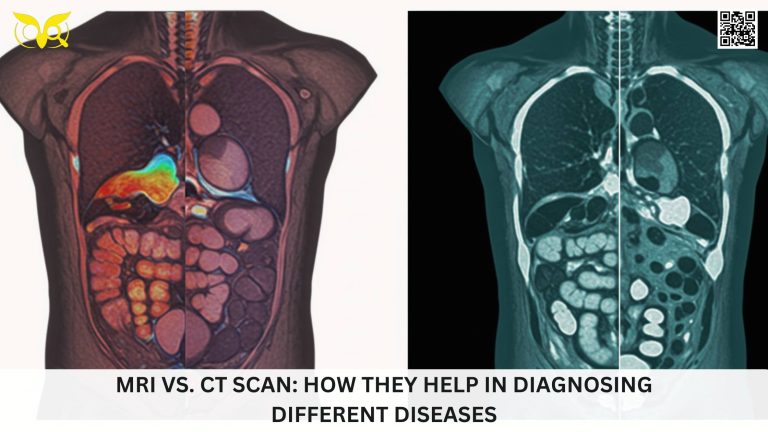
Modern imaging techniques like MRI and CT scans offer unparalleled clarity, enabling precise identification of pain sources in chronic back pain cases. New advancements include dynamic imaging, which captures spine movement to pinpoint issues missed during static scans.
These tools help doctors tailor treatments such as injections or surgical procedures with accuracy. Early detection also allows for less invasive options before conditions worsen.
For patients, advanced imaging reduces diagnostic guesswork and ensures targeted care plans. By understanding the exact problem, medical teams can create strategies that enhance recovery speed and improve long-term mobility outcomes effectively.
Wrapping Up
Emerging technologies are reshaping chronic back pain treatment, offering practical solutions for better mobility and quality of life. From spinal cord stimulators to advanced imaging, patients now have more targeted and effective options.
These innovations go beyond managing pain. They empower individuals to reclaim independence and live more comfortably each day.
Source: https://baddiehub.news/