Imagine a scenario where someone suddenly collapses or is in distress. How would you react? Having lifesaving skills can make all the difference in such emergencies, potentially saving a life.

This guide will help you understand some basic lifesaving skills, including CPR and first aid, and why they matter.
Understanding Lifesaving Skills
Lifesaving skills are techniques used to help someone who is seriously injured or in danger. These skills can be critical in various situations, such as accidents, choking, or heart-related emergencies. Being able to respond appropriately can prevent further harm or even death.
Learning these skills isn’t just for healthcare professionals. Anyone, regardless of age or background, can learn how to save lives.
Local organizations often offer courses to teach people how to respond in emergencies. By taking the time to learn, you can become a vital part of your community’s safety.
Cardiopulmonary Resuscitation (CPR)
One of the most important lifesaving skills is Cardiopulmonary Resuscitation, or CPR. CPR is a technique that can help maintain blood flow to the heart and brain during a cardiac arrest. If someone collapses and isn’t breathing, knowing how to administer CPR can be lifesaving.
CPR involves a combination of chest compressions and rescue breaths. For adults, you start by calling for help, then begin chest compressions at a rate of about 100 to 120 per minute.
It’s important to push hard and fast in the center of the chest. For younger children, the technique may vary slightly, and it’s essential to learn the correct methods for different ages.
Many community centers and organizations provide courses that teach CPR. It’s crucial to practice these skills occasionally to remain confident and effective. If you want to learn more about this, you can check Healthcare CPR/First Aid Certifications that are available in your area.
Basic First Aid
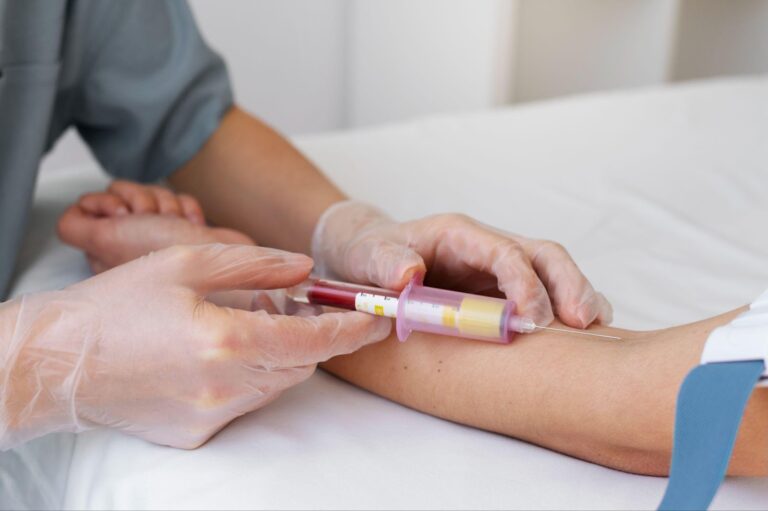
Alongside CPR, basic first aid skills are equally important. First aid includes a variety of techniques used to treat minor injuries and stabilize serious ones while waiting for professional help. Knowing how to clean a wound, manage bleeding, or perform the Heimlich maneuver can save lives.
To clean a small cut, rinse it under clean water, apply gentle pressure if it’s bleeding, and cover it with a bandage. However, if someone is severely bleeding, you should apply direct pressure to the wound and keep them calm while waiting for emergency services.
The Heimlich maneuver is crucial for choking situations. It involves applying upward thrusts just above the navel of a person who cannot breathe. This can help dislodge an object blocking the airways.
The Importance of Preparedness
Preparedness means more than just knowing what to do; it involves being ready to act at a moment’s notice. This can include developing a plan for emergencies. Talk to your family about what you would do in various situations and practice those plans together.
Keeping a first aid kit at home and making sure everyone knows where it is can also increase preparedness. Your kit should contain essentials like bandages, antiseptic wipes, gauze, and adhesive tape. Regularly check and replenish your supplies to ensure they are available when needed.
Learning How to Save a Life
Being prepared with effective lifesaving skills can profoundly impact people’s lives. Whether it is CPR, basic first aid, or simply knowing how to respond in an emergency, these skills are invaluable. They enable you to act when others may hesitate or feel unsure.
If you’d like to learn more about what we have to offer, then feel free to visit our website and read more.