Mental health is a vital part of overall well-being, yet it often does not receive the same level of care and understanding as physical health, especially when it comes to men. Across cultures and age groups, men are frequently expected to appear strong, unemotional, and resilient, even in the face of stress, loss, or emotional pain. These expectations can prevent many men from seeking help, leading to serious personal, social, and health consequences. Giving proper attention to men’s mental health is essential for healthier individuals, families, and communities.
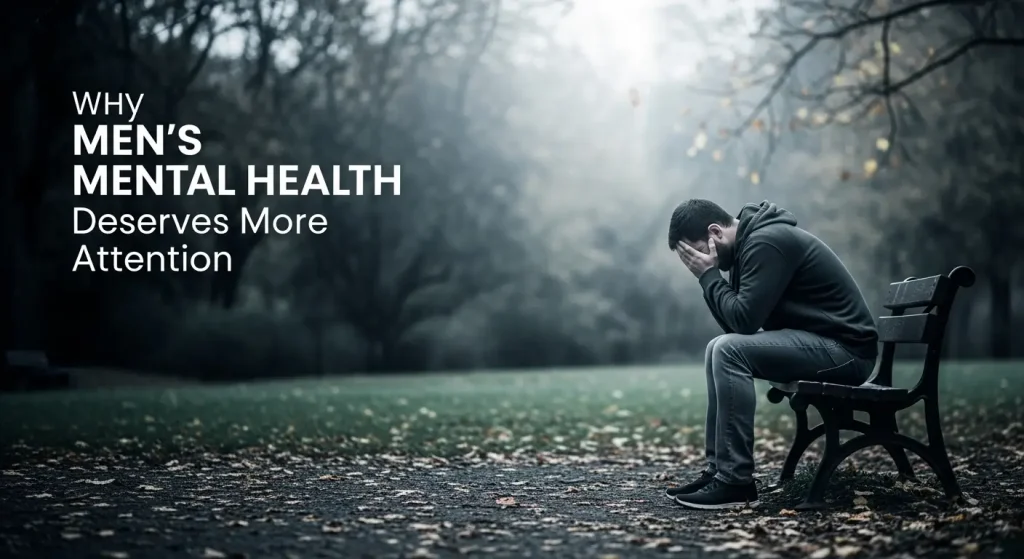
The Unique Challenges Men Face With Mental Health
Although conditions such as depression and anxiety affect all genders, they do not always appear the same way in men. Emotional distress in men is frequently masked by behaviour rather than openly expressed feelings. From a young age, many boys are taught to suppress their emotions. Phrases like “be tough,” “don’t cry,” or “be a man” can unintentionally teach them that expressing vulnerability is a weakness.
As a result, emotional struggles often go unspoken and unresolved. Over time, this silence can contribute to anxiety, depression, substance misuse, and emotional isolation. Breaking these long-standing social norms is a crucial step toward improving mental well-being among men.
The Pressure of Traditional Masculinity
- Emotional suppression: Men may bottle up feelings such as fear, sadness, or anxiety, which can lead to internal stress and emotional exhaustion.
- Reluctance to seek help: Fear of judgment or appearing weak can prevent men from reaching out to friends, family, or professionals.
- Fix-it mindset: Men are often encouraged to solve problems independently, which can create frustration and guilt when mental health struggles cannot be easily “fixed.”
How Mental Health Symptoms Can Look Different in Men
Recognising these signs is crucial for timely support and intervention. Because emotional vulnerability is often discouraged, the warning signs of mental health struggles in men may be subtle or misunderstood.
- Anger and irritability: Depression may present as frustration, aggression, or mood swings rather than sadness.
- Risk-taking behaviours: Some men cope through substance use, gambling, or reckless actions as an escape from emotional pain.
- Physical symptoms: Headaches, digestive issues, fatigue, or chronic pain can sometimes be linked to unresolved mental health concerns.
Why Men’s Mental Health Needs More Attention Today
Ignoring mental health concerns among men has serious and far-reaching consequences. The impact is not limited to individuals but is extended to families, workplaces, and communities. Raising awareness and encouraging early support is a public health necessity, not an optional conversation.
The Impact on Families, Workplaces, and Communities
When men struggle in silence, the effects often spread beyond their personal lives.
- Family relationships: Emotional withdrawal or unmanaged stress can lead to conflicts, communication breakdowns, and difficulty bonding with loved ones.
- Workplace challenges: Mental health struggles can result in reduced productivity, burnout, and absenteeism.
- Community strain: Untreated mental health issues can contribute to substance dependence, social isolation, and increased reliance on community resources.
Creating a Supportive Path Forward
Addressing men’s mental health requires collective effort. Open conversations, education, and supportive environments can help reduce stigma and encourage men to seek help earlier. Healthcare systems also play a vital role. Routine check-ups in family medicine settings can provide opportunities to identify emotional distress, start conversations, and connect men with appropriate mental health support.
The Importance of Awareness and Education
Public awareness campaigns, workplace wellness programs, and community discussions can help change perceptions about men and mental health. Education empowers men to understand their emotions, recognise warning signs, and seek help without shame. When society actively supports mental health for all genders, it creates safer and more compassionate spaces for healing.
Conclusion
Men’s mental health deserves greater awareness, understanding, and action. By challenging outdated stereotypes, recognising different symptoms, and creating safe spaces for open discussion, society can support men in prioritising their emotional well-being. When men are empowered to seek help without fear or shame, everyone benefits, from families and workplaces to communities as a whole.