A front porch is more than a space between the street and the front door. It creates the first impression of a home, helps visitors find their way and provides an important layer of nighttime safety. Good lighting can make this area feel warm and inviting, but simply installing the brightest fixture available rarely produces the best result.
An effective porch lighting plan balances appearance, visibility, comfort and practicality. It should illuminate steps, locks and house numbers without creating harsh glare. The fixtures should also suit the architecture of the home and withstand regular exposure to outdoor conditions. Whether you are updating an existing entrance or planning a new one, the following considerations can help you make better lighting decisions.
Begin With the Areas That Need Light
Before choosing a fixture, look at how people actually use the entrance after dark. The front door is important, but it is not the only area that may need illumination. Walkways, stairs, railings, door locks, house numbers and package drop-off locations should all remain visible.
Stand outside at night and approach the house as a visitor would. Notice any dark corners, sudden changes in level or obstacles that are difficult to see. This simple inspection usually reveals where lighting is genuinely necessary. It also prevents the common mistake of concentrating all the brightness around the door while leaving the path to the entrance in shadow.
Use Layers Instead of One Powerful Fixture
A single bright light may technically illuminate a porch, but it can also produce deep shadows and uncomfortable glare. A layered arrangement distributes light more evenly and gives the entrance a more polished appearance.
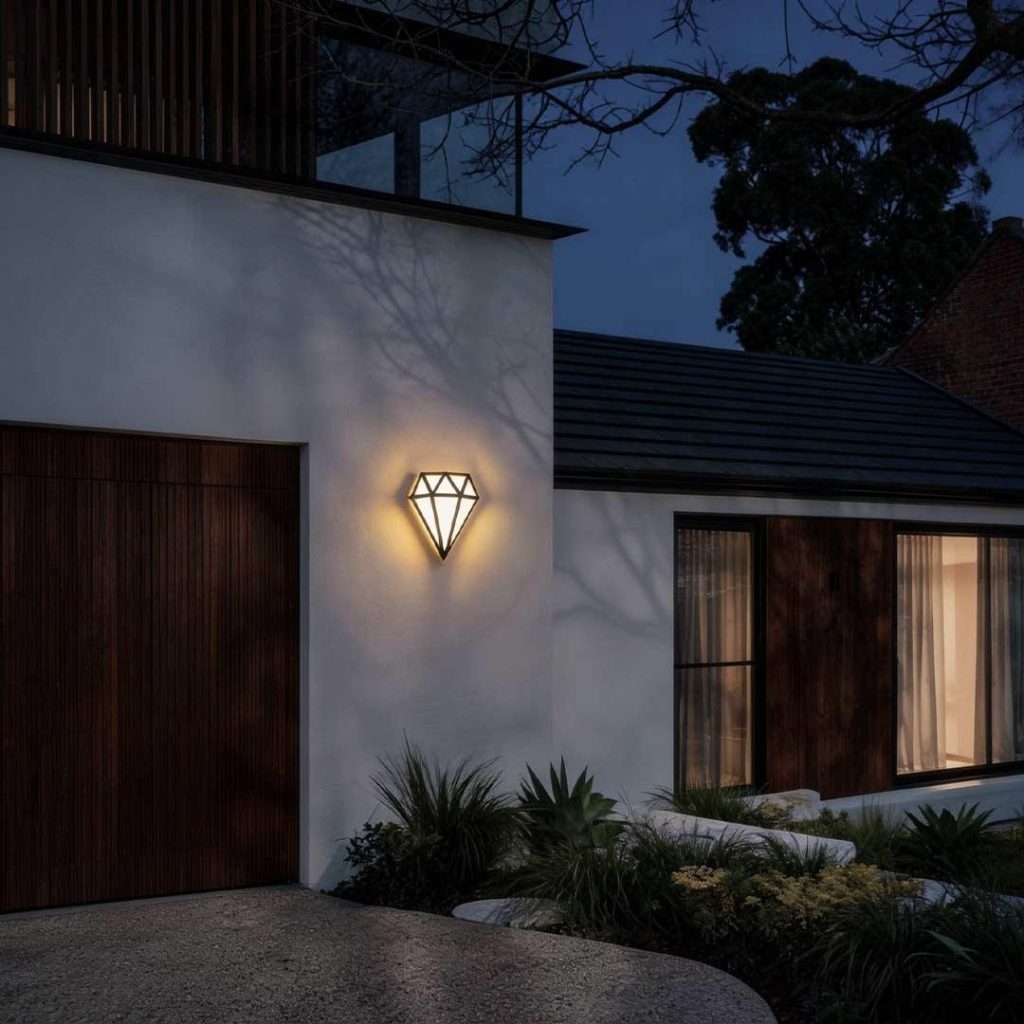
Wall sconces beside the door can provide general illumination and help define the entrance. An overhead ceiling light or hanging fixture can brighten a covered porch, while low-level lights can make steps and pathways easier to navigate. Accent lighting may be used to highlight stonework, columns, plants or architectural details.
Each layer should have a clear purpose. Decorative fixtures contribute character, task lighting helps people use keys or access a smart lock, and path lighting supports safe movement. When these functions work together, the porch feels comfortable without appearing overlit.
Select a Fixture Type That Fits the Space
The design of the porch will usually determine which fixture types are most practical. Wall-mounted lights work well beside a front door and are available in styles ranging from traditional lanterns to clean contemporary cylinders. If there is sufficient overhead clearance, a pendant can create a strong focal point. Flush or semi-flush ceiling fixtures are often better for lower ceilings.
Homes with pillars, masonry posts or gate structures may also benefit from post-mounted or pillar lights. For homeowners comparing wall, ceiling, hanging and other exterior fixture styles, Dazuma’s Porch Lighting collection can provide useful inspiration for building a coordinated entrance.
A fixture should never interfere with the movement of the door, screen or shutters. It should also be positioned where bulbs can be replaced and surfaces can be cleaned without unnecessary difficulty.
Pay Attention to Scale
Outdoor fixtures frequently look smaller in a showroom or online product photo than they do beside an actual doorway. Choosing a light that is too small can make the entrance appear unfinished, while an oversized fixture may crowd the door or obstruct sightlines.
Consider the width and height of the door, the size of the wall and the distance from which the fixture will be seen. A large double-door entrance can support more substantial lights than a narrow doorway. If two wall fixtures are being installed, check that they feel balanced on both sides and do not compete with door trim, windows or house numbers.
It can help to create a cardboard outline of the proposed fixture and temporarily place it on the wall. Viewing the outline from the walkway and street gives a more realistic sense of scale before installation.
Choose Comfortable Light Color and Brightness
The color of the light has a major influence on the atmosphere of an entrance. Warm white light generally makes wood, brick and natural finishes feel welcoming. Cooler light can create a sharper, more modern appearance, but extremely cool illumination may make a residential porch feel clinical.
Brightness should be sufficient for identifying visitors, reading house numbers and finding keys. However, more light is not automatically better. Exposed bulbs and poorly directed beams can shine into people’s eyes or spill into neighboring windows.
Look for fixtures that soften, shield or direct the light. Frosted glass, downward-facing designs and concealed light sources can reduce glare. If different fixtures are used around the porch, keeping their light color consistent will make the overall arrangement feel intentional.
Consider Weather Exposure
Porch lights must cope with conditions that indoor fixtures never encounter. Even a covered entrance may be exposed to humidity, wind-driven rain, dust and temperature changes. A completely open wall or post receives even greater exposure.
Choose fixtures specifically intended for their installation location and verify that their outdoor suitability matches the level of exposure. Materials and finishes also matter. Powder-coated metals, properly treated aluminum, stainless steel and other weather-resistant materials can offer better long-term performance when maintained correctly.
Local conditions should influence the choice. Coastal air can accelerate corrosion, while strong sunlight may fade certain finishes. In cold regions, fixtures and connections must tolerate freezing temperatures. Checking these details before purchasing is easier than replacing a deteriorated light a short time later.
Add Controls That Support Daily Life
Lighting controls can make a front porch more convenient and efficient. Dusk-to-dawn sensors automatically activate lights as natural light decreases. Timers can follow a predictable household schedule, while smart controls allow users to adjust lighting remotely or create routines.
Motion sensors are useful near steps, side approaches and less frequently used entrances. They can provide extra visibility when someone approaches without requiring maximum brightness throughout the night. Their position and sensitivity should be adjusted carefully so that passing cars, moving branches or small animals do not trigger the lights constantly.
Controls should complement the lighting plan rather than complicate it. Household members still need an easy way to operate the lights manually when necessary.
Coordinate Lighting With Security Features
Porch lighting and home security should work together. Cameras need adequate, even illumination to capture useful images, but a light aimed directly into the lens may cause glare or reduce nighttime clarity. Video doorbells should also have an unobstructed view of approaching visitors.
Make sure the face of a guest can be seen without forcing the person to stand beneath a harsh overhead beam. House numbers should be visible from the usual approach and, where practical, from the street. The door handle, keypad or keyhole should receive enough light for comfortable use.
Good security lighting does not need to make the property look defensive. A thoughtfully illuminated path and entrance often provides better visibility than a single floodlight that creates strong contrast and dark areas beyond its beam.
Avoid Common Porch Lighting Mistakes
One frequent mistake is choosing fixtures only for their appearance. A beautiful light may still be wrong if it produces excessive glare, provides insufficient illumination or is unsuitable for outdoor exposure. Another problem is mixing several unrelated styles and finishes in a small area.
Poor placement can be equally disruptive. Lights positioned too high may leave the lock area dark, while fixtures mounted too close to the door can interfere with movement. Ignoring nearby windows may allow light to enter bedrooms or living areas at night.
Finally, avoid treating every part of the porch with the same brightness. Subtle variation creates depth and helps guide attention toward the entrance.
Plan for Installation and Maintenance
Exterior electrical work should comply with applicable local requirements and be completed safely. A qualified professional can confirm that wiring, junction boxes, mounting surfaces and controls are suitable for outdoor use. Professional assistance is especially valuable when adding new electrical locations or replacing fixtures on older properties.
Once installed, porch lights require basic maintenance. Clean glass and lenses periodically, remove insects and debris, inspect finishes for deterioration and replace failed bulbs promptly. If one fixture appears noticeably dimmer or a sensor behaves unpredictably, address the issue before it affects the rest of the lighting plan.
Create an Entrance That Feels Naturally Welcoming
The best front porch lighting is not necessarily the most noticeable. It quietly helps residents and visitors move safely, recognize the entrance and feel comfortable after dark. By combining appropriate fixture types, balanced brightness, weather-ready materials and practical controls, homeowners can create an entrance that works reliably throughout the year.
Start with the needs of the space, then choose fixtures that support those needs while complementing the home. When function and design receive equal attention, porch lighting becomes an everyday improvement that adds safety, convenience and lasting curb appeal.