Home battery backup options help keep critical devices running when the grid goes down. The best choice depends on how much power you need, how long outages typically last, and whether you want to expand later. Some systems cover a few essentials, while others support larger appliances or an entire home. Features such as solar charging, smart energy controls, and modular storage can also shape the decision. By comparing capacity, output, and installation needs, homeowners can narrow the field and choose a backup solution that fits daily use and emergency planning.
Main Types of Home Battery Backup Solutions
Portable Battery Backup for Essential Home Devices
Portable battery backup systems work well for short outages and small loads. They are often used to keep phones, laptops, internet equipment, medical devices, lights, and small kitchen appliances running. Their main advantage is simplicity: many are easy to move, quick to charge, and do not require permanent installation. However, they usually offer lower capacity and output than larger systems, so they are best for essential devices rather than central air, electric dryers, or multiple high-demand appliances operating at the same time.
Expandable Battery Systems for Longer Outages
Expandable battery systems offer a middle ground between portable units and full-home backup. They let homeowners start with a smaller battery bank and add storage as needs grow, which makes them practical for areas with recurring outages. These setups can support refrigerators, communication devices, lighting, and selected circuits for longer periods than compact systems. They also give more flexibility for budget planning because capacity can increase over time. For households expecting changing energy use, modular expansion can be more efficient than replacing an undersized backup system later.
Whole-Home Battery Backup for Larger Power Needs
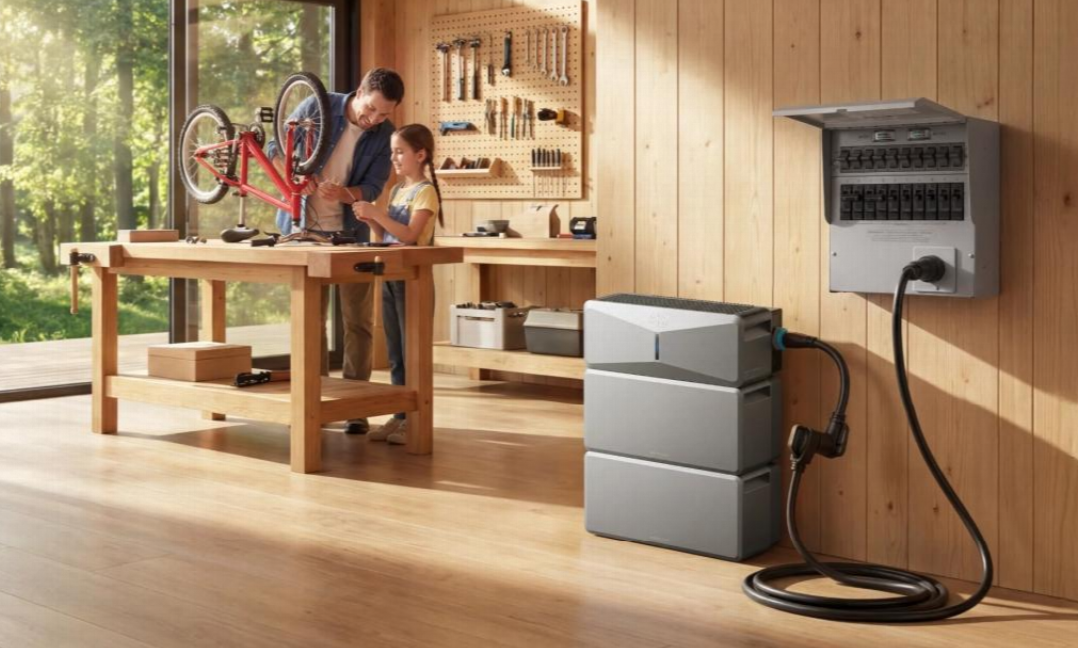
Whole home battery backup systems are built for households that want broader outage protection and smoother daily energy management. These systems can power larger loads, support more circuits, and integrate with transfer equipment for a more seamless response when utility service fails. They are especially useful for homes with electric heating or cooling demands, well pumps, larger refrigerators, or home offices that must stay online. Because they involve higher output and storage, they usually require professional installation, careful load planning, and enough space for safe placement.
How to Compare Home Battery Backup Options
Check Battery Capacity and Backup Duration
Battery capacity tells you how much energy the system can store, usually measured in kilowatt-hours. Higher capacity generally means longer backup duration, but actual runtime depends on what you power. A refrigerator and lights draw far less energy than air conditioning or electric cooking equipment. Start by listing the devices you need during an outage, then estimate how many hours they must run. This approach gives a clearer picture than shopping by headline numbers alone. Capacity should match realistic emergency use, not only best-case marketing estimates.
Compare Power Output for Essential Appliances
Power output determines what the battery can run at one time and whether it can handle startup surges from appliances with motors or compressors. A system with strong capacity but limited output may store plenty of energy yet still struggle with larger equipment. The Anker SOLIX E10 fits a wide range of backup needs with 10-30kW Turbo Output, 7.6 – 22.8kW Rated Output, 6-90kWh Battery Expandability, 9-27kW Solar Input, and a 4.5kW Smart Generator. Those figures make it suitable for both essential loads and broader whole-home coverage.
Consider Solar Charging and Energy Management Features
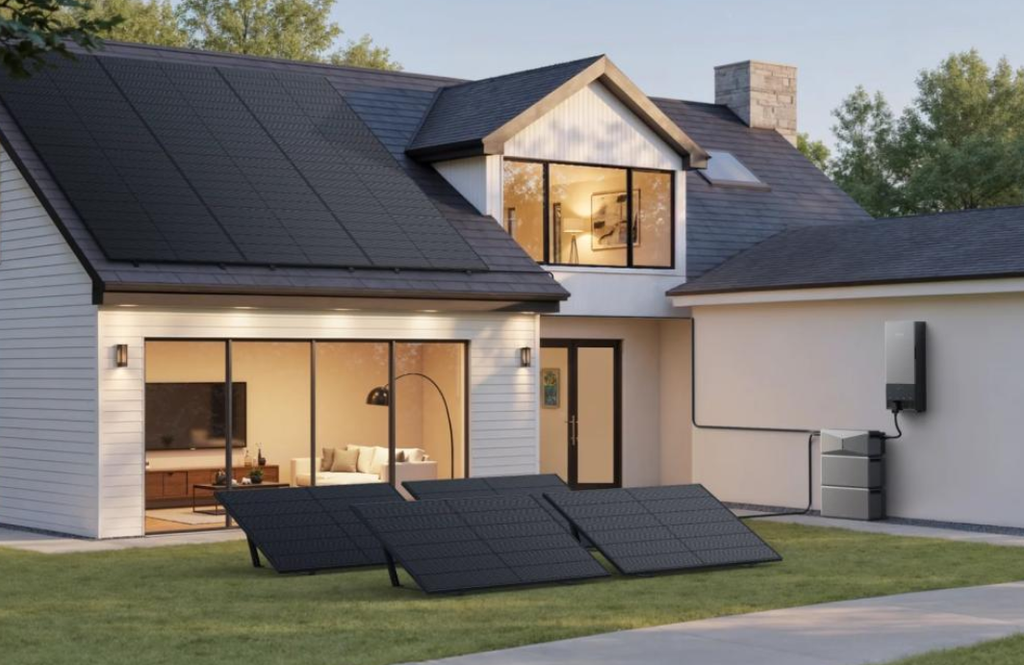
Solar charging can make a battery backup system more useful during long outages because it allows stored energy to be replenished without relying only on the grid. For homes with existing solar panels or plans to add them, compatibility matters. Energy management features are also important because they help prioritize circuits, monitor usage, and improve efficiency. Smart controls can reduce waste by directing power where it matters most during an emergency. These tools also support everyday savings by helping homeowners shift energy use and manage peak demand more effectively.
Choosing the Best Backup Option for Your Home Situation
Select Compact Backup for Short Power Interruptions
Compact backup systems make sense when outages are brief and your goal is to keep a few essentials running. They are often enough for internet service, phone charging, lighting, fans, and small medical equipment. This option works well for apartments, smaller homes, or households without many high-draw appliances. It also offers a lower entry cost and simpler setup than larger systems. If you mainly need convenience and basic continuity during temporary interruptions, a compact backup solution can deliver reliable support without the complexity of a permanent whole-home installation.
Choose Higher Capacity Systems for Extended Outages
Higher capacity systems are the better choice when outages last longer or when you need to support refrigeration, sump pumps, workspace equipment, and other important household loads together. A larger battery bank gives more flexibility and reduces the need to constantly manage which devices stay on. This matters in regions with storm-related outages or unstable grid conditions. If your household depends on power for health, safety, food storage, or remote work, a higher capacity system provides stronger protection and a more comfortable experience during extended service interruptions.
Consider Scalable Solutions for Future Energy Needs
Scalable solutions are ideal for homeowners who expect their energy needs to grow. You may start by backing up key circuits, then later add more storage for additional appliances, home expansion, electric vehicle charging, or greater solar use. This approach protects your initial investment because the system can adapt instead of becoming outdated too quickly. It also gives you room to respond to changing utility costs and resilience goals. For households planning ahead, modular design can offer a practical path from basic outage coverage to more comprehensive home energy independence.
Conclusion
The best home battery backup option is the one that matches your outage patterns, essential loads, and long-term energy plans. Portable systems suit short interruptions, expandable setups balance flexibility and runtime, and whole-home solutions cover larger demands. Focus on battery capacity, power output, solar compatibility, and smart energy features when comparing choices. A modular system with strong output can serve both current and future needs more effectively. By sizing the system around real household priorities, you can choose backup power that delivers dependable performance when outages happen.