
Choosing battery backup for home energy starts with understanding what you need to keep running and for how long. A good system should match your household’s energy use, support the appliances that matter most, and recharge in ways that fit your setup. That means looking beyond battery size alone. Power output, charging speed, outage response, and expansion options all affect day-to-day performance. If you want dependable backup during grid failures, you also need to think about whether you are covering a few critical circuits or supporting the entire home. This guide walks through the main buying factors so you can compare systems clearly, avoid overspending on the wrong features, and select a battery backup solution that fits your home now and later.
Check Charging Options and Backup Performance
Compare Grid, Solar, and Generator Charging
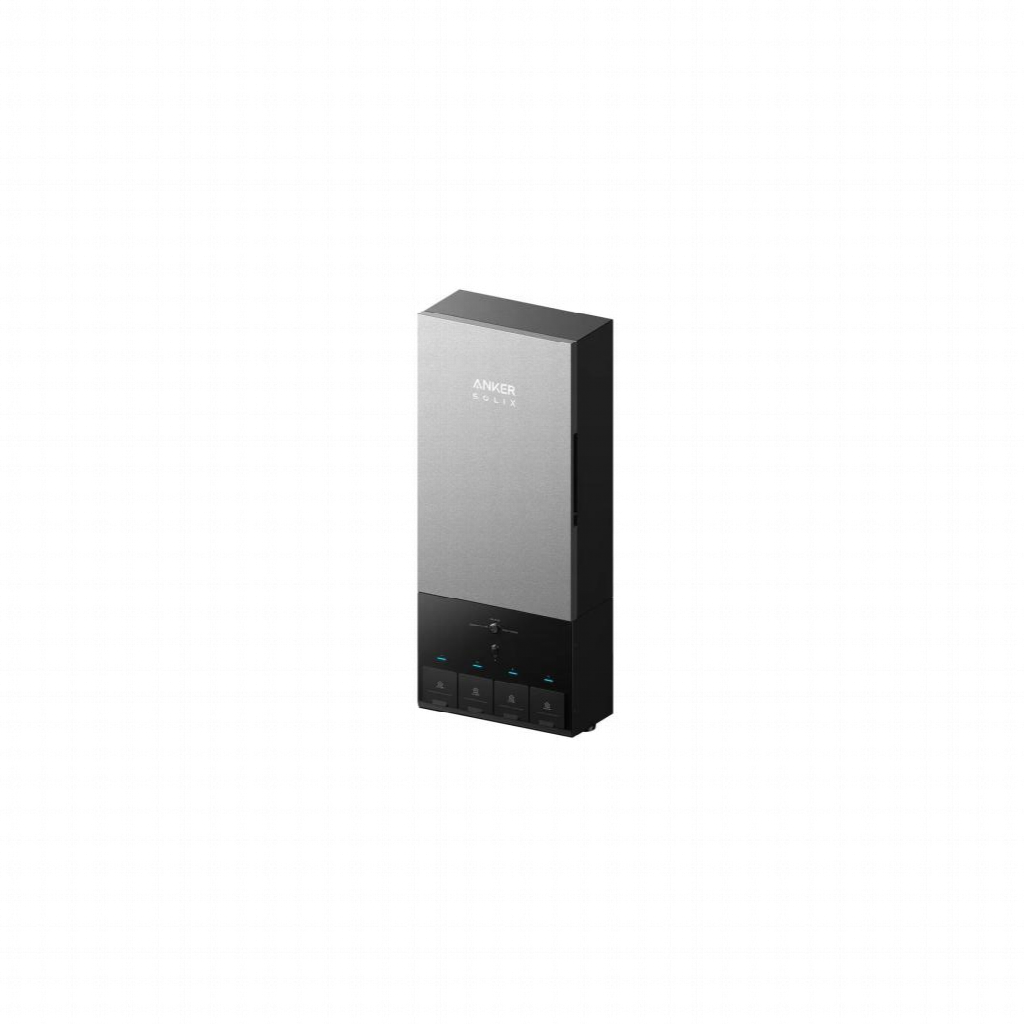
A strong battery backup for home system should support more than one charging method, because flexibility improves resilience. Grid charging is useful for fast recovery before storms or after an outage. Solar charging helps lower utility dependence and can keep the battery replenished during extended blackouts if sunlight is available. Generator input adds another layer of reliability when poor weather limits solar production. For example, the Anker SOLIX E10 supports 9,600W AC input at 240V/40A, dual PV input up to 2 x 4,500W from 30 to 450V DC, and 4,500W DC generator input. Those figures show how charging speed and source compatibility affect real-world backup value. When comparing systems, look for charging options that match your electrical service, roof solar potential, and outage planning.
Look at Switchover Time and Power During Outages
Backup performance is not only about storing energy. It is also about how quickly the system responds and how much power it can deliver once the grid goes down. A battery backup should provide stable output for essential appliances, HVAC loads, refrigeration, lighting, and communication devices without constant load balancing. Check the rated voltage and frequency to ensure compatibility with your home, especially if you need 120/240 VAC split phase at 60Hz. Also compare continuous output and short-duration surge support, since motors and compressors often need extra startup power. A system with 7,680W continuous output and up to 10,000W for 90 minutes can handle more demanding household needs than a lower-output unit, especially during multi-appliance outage scenarios.
Consider Installation, Scalability, and Long-Term Use
Decide Between Essential-Load and Whole-Home Backup**
Before buying, decide whether you want to back up only essential loads or support most of the home. Essential-load backup usually covers refrigeration, internet, lights, medical devices, and a few outlets or circuits. It costs less and often requires a simpler installation. Whole-home backup aims to maintain a more normal routine by supporting larger loads, potentially including well pumps, kitchen equipment, or selected HVAC functions. This approach demands higher output, larger battery reserves, and careful load planning. Your decision should reflect outage frequency, household habits, and comfort expectations. If long outages are common, essential-load setups may feel restrictive. If continuity matters, whole-home backup can offer better usability, provided the system is sized correctly for your actual electrical demand.
Plan for Expandable Capacity and Future Energy Needs
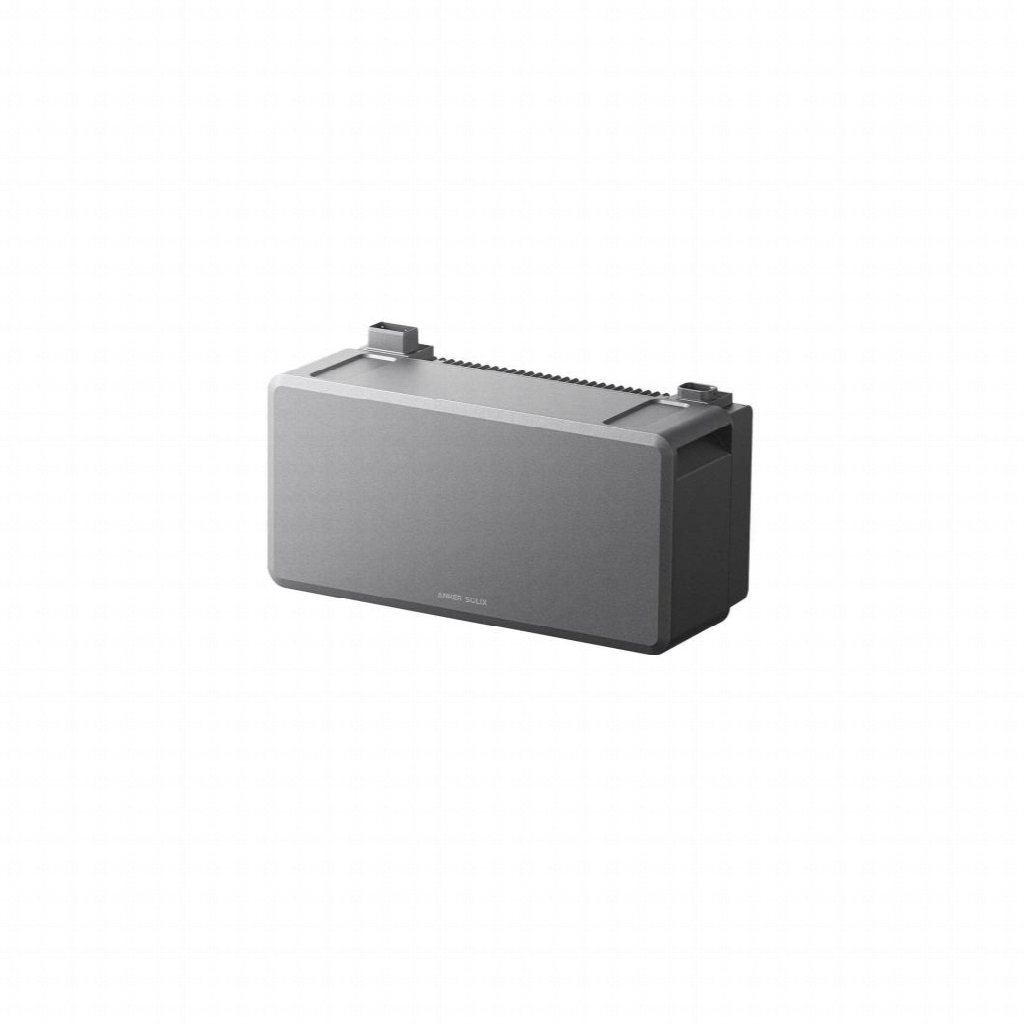
A battery backup system should fit your home today without limiting what you may add later. Energy needs often increase over time as households install more electronics, upgrade HVAC equipment, add an electric vehicle charger, or expand solar production. That is why scalability matters. Look for systems that allow additional batteries or inverter modules instead of forcing a full replacement when demand grows. Expansion can also help you shift from basic outage coverage to broader home backup as your budget allows. Pay attention to both storage growth and output growth, because adding battery capacity without enough inverter power may not solve larger appliance needs. A system designed for modular expansion gives you more control over long-term cost, performance, and energy independence as your household changes.
Choose a Battery Backup That Fits Your Home
Balance Capacity, Output, and Energy Priorities
The best battery backup for home energy is the one that aligns stored energy with the loads you value most. Start by listing what must stay on during an outage, then separate those items into always-on essentials and occasional higher-draw appliances. Capacity determines runtime, while output determines what can run at the same time. Both matter equally in a practical buying decision. A large battery with limited output can still leave important devices offline, while high output with too little storage may provide only brief support. Prioritize refrigeration, communications, lighting, and health-related equipment first, then add convenience loads if the budget allows. This approach helps you choose a system that performs reliably instead of looking oversized only on paper.
Evaluate Whole-Home Backup Power Options
If you are considering whole-home backup power options, focus on system architecture rather than battery size alone. A true whole-home solution needs the voltage, output, and load management capacity to integrate cleanly with residential electrical service. It should also support flexible installation, weather-resistant placement if required, and monitoring tools that help track battery status and power flow. Features like Wi-Fi and Bluetooth connectivity can simplify setup and system management. Durability also matters for long-term ownership, so enclosure rating, operating temperature range, and warranty deserve attention during comparison. When a system combines strong output, multiple charging paths, modular expansion, and dependable construction, it is better positioned to support broader household backup needs instead of acting as a limited emergency power source.
Conclusion
Choosing battery backup for home energy comes down to matching performance with the way your household actually uses power. Start with the loads you want to protect, then compare output, runtime, charging flexibility, and expansion potential. A well-chosen system should recharge from practical sources, respond smoothly during outages, and scale as your energy needs change. It should also fit your backup goal, whether that means covering only essential circuits or supporting a broader whole-home setup. When you evaluate these factors together, buying decisions become much clearer. Instead of focusing on one headline specification, look at how the full system will perform over time. That approach helps you invest in backup power that is dependable, efficient, and suited to your home’s future.


