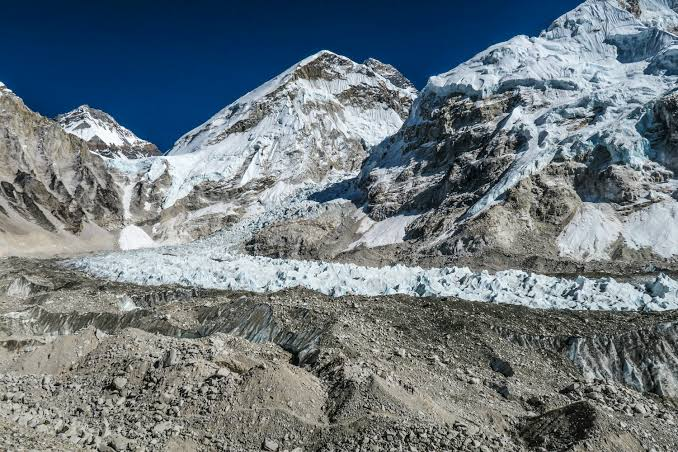
Every year, travelers land in Kathmandu with the same mountain in mind and two completely different plans for reaching it. Some want to walk into the Khumbu, day after day, watching the landscape change from terraced farmland to glacier and rock. Others have a week off work, maybe less, and want to see Everest without giving up ten days of their life to altitude and blisters.
Both paths lead to roughly the same place. They just don’t feel the same, cost the same, or ask the same thing from your body.
The Everest Base Camp Trek-12 days itinerary is the classic route — the one most people picture when they think about hiking to Everest. The Everest Base Camp Helicopter Tour is the shortcut, built for people who want the view without the walk. Which one makes sense for you depends on how much time you actually have, your fitness and altitude tolerance, your budget, and honestly, what kind of experience you’re after. And whichever route you pick, it’s worth booking through a trekking agency in Nepal that actually knows what it’s doing, because both options come with real logistics — flights, permits, weather, and safety — that don’t forgive sloppy planning.
This isn’t really a choice between “trekking” and “flying.” They’re two different trips to two different versions of the same mountain.
Everest Base Camp Trek 12 Days: What the Journey Actually Looks Like
No two operators run the exact same 12-day itinerary, and that’s worth knowing upfront. Flight delays out of Lukla, how your body handles altitude, even a guide’s personal preference for pacing — all of it shifts the plan slightly. Still, most 12-day trips follow a similar arc.
Typical 12-Day Trekking Flow
You’ll usually start with a day or two in Kathmandu for permits and gear checks, then catch an early flight to Lukla, which is where the actual walking begins. From there it’s a steady climb through the Khumbu — Phakding, then up to Namche Bazaar, the unofficial capital of the region, where most groups spend an extra day acclimatizing. After Namche, the trail pushes higher through Tengboche, home to one of the most photographed monasteries in Nepal, before continuing on to Dingboche for another acclimatization stop.
From Dingboche, the trail gets thinner and colder as you move through Lobuche and finally toward Everest Base Camp itself, often with a side trip up Kala Patthar for the best unobstructed view of Everest’s summit — better, in fact, than the view from Base Camp, where the mountain is partly blocked by the Khumbu Icefall. After reaching Base Camp, most itineraries retrace the route back down to Lukla over a few faster days, and then it’s a short flight back to Kathmandu.
That’s the general shape, but weather over the Khumbu can push flights and rearrange days without much warning, so a good operator builds in a buffer day or two rather than promising a rigid schedule.
What Makes a 12-Day Everest Trek Different?
It’s not really about the scenery, though there’s plenty of that. It’s about what happens to you over twelve days of walking.
You’re on your feet for five to seven hours most days, and by day four or five, your legs know it. The landscape shifts slowly enough that you actually notice it — pine forest gives way to rhododendron, then to bare rock and prayer flags snapping in thin air. You sleep in teahouses run by local families, eat dal bhat because it’s what actually keeps you moving, and end up having conversations with porters and guides that you wouldn’t get from a plane window. There’s a specific kind of tiredness that sets in around the halfway point, and somehow it becomes part of the appeal rather than something to complain about.
One thing worth being clear about: reaching Everest Base Camp is not the same as climbing Everest. You’re walking to the staging area where expeditions prepare before attempting the summit — an incredible place to stand, but not the top of the mountain.
Everest Base Camp Helicopter Tour: The Faster Alternative
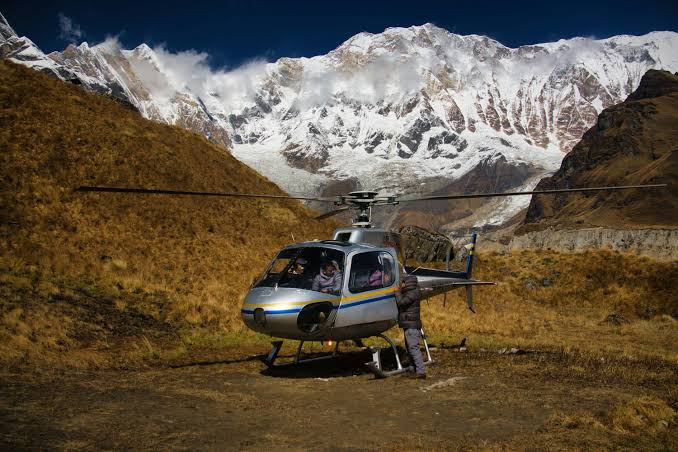
For travelers without two weeks to spare, or who just don’t want to spend several days walking at altitude, the Everest Base Camp Helicopter Tour solves a very different problem.
Most versions of this trip start early morning from Kathmandu, flying directly toward the Khumbu region. Depending on the operator and the weather that day, the helicopter may land at a viewpoint like Kala Patthar or near Everest Base Camp itself, giving passengers a short window on the ground with the mountain right in front of them, before flying back. The whole trip often wraps up in a matter of hours rather than days.
Who Usually Prefers a Helicopter Tour?
It tends to appeal to a fairly specific type of traveler: people on a tight vacation schedule, those who’d rather skip several days of strenuous walking, visitors mainly chasing Himalayan views rather than the trekking experience itself, and anyone who simply wants a taste of Everest without committing two weeks to it. It’s not a “better” version of the trek — it’s a different answer to a different travel constraint.
12-Day Trek vs Helicopter Tour: Which One Fits You?
| Factor | 12-Day Everest Trek | Everest Helicopter Tour |
| Time required | Around two weeks | A single day, sometimes less |
| Physical effort | High | Low compared with trekking |
| Altitude exposure | Gradual and prolonged | Brief |
| Local interaction | Extensive | Limited |
| Accommodation | Teahouses | Usually no trekking nights |
| Mountain experience | Immersive | Scenic and aerial |
| Best for | Trekking-focused travelers | Time-conscious travelers |
| Weather sensitivity | High | High |
The trek rewards patience — you earn the view by walking toward it, and the days in between matter as much as the destination. The helicopter tour compresses that into hours, trading the journey for efficiency. Neither is more valid than the other; it really comes down to what you’re optimizing for.
If you’re wondering whether one or two days is even enough to see Everest at all — yes, a helicopter tour can realistically fit into that window, while a proper trek simply can’t be compressed that far without cutting corners on acclimatization, which isn’t something you want to gamble on at altitude.
Is the 12-Day Everest Base Camp Trek Difficult?
Calling it “moderate” doesn’t really tell you much, so let’s be more specific. You’re walking long days on uneven, sometimes steep trails, often in cold and unpredictable weather, at altitudes where the air genuinely feels thinner by the time you reach Dingboche and beyond. Recovery between days matters, and pacing yourself — rather than rushing to keep up with a faster group member — matters even more.
It’s worth separating two different things here: physical difficulty and altitude-related risk. You can be reasonably fit and still struggle with altitude, because how your body handles thin air isn’t something a gym membership prepares you for. Acclimatization days exist for exactly this reason. Previous hiking experience helps, but no fitness level guarantees you’ll breeze through it — the mountain doesn’t really care how many marathons you’ve run.
Best Time for an Everest Trek or Helicopter Tour
Spring (roughly March to May) tends to offer stable weather and clear mountain visibility, making it one of the more reliable windows for both trekking and flying.
Autumn (September to November) is traditionally the busiest and most popular trekking season, largely because the post-monsoon skies tend to stay clear and temperatures are manageable.
Winter brings serious cold, especially at higher elevations, and while some trekkers still go, conditions get considerably tougher and quieter trails come at the cost of harder weather.
Monsoon season (June to August) means rain, cloud cover, and slippery trails lower down, plus a real chance of flight disruptions to and from Lukla.
Weather affects both options, but helicopter flights are particularly sensitive to visibility — a hazy or overcast day can ground a scenic flight even when trekking conditions on the ground remain perfectly fine.
What Does an Everest Trip Cost?
Costs for a 12-Day Trek
Pricing varies a fair bit depending on transportation to and from Lukla, accommodation standard, whether you’re hiring a guide and porter, permit fees for the region, meals along the route, group size, domestic flights, travel insurance, and your own personal spending on things like snacks, hot showers, or wifi at teahouses. A solo traveler on a bare-bones budget pays differently than someone in a small group with full-service support.
Helicopter Tour Costs
Helicopter pricing depends heavily on whether you’re booking a private charter or joining a shared flight, how many passengers are splitting the cost, your departure point, whether the itinerary includes an actual landing near Base Camp or just an aerial pass, the season, and which operator and aircraft you’re flying with.
What’s included and excluded? This is worth asking directly before booking either option. For treks, check whether permits, guide fees, and domestic flights are bundled into the quoted price or added separately. For helicopter tours, confirm whether the landing stop, fuel surcharges, and any ground time are part of the package or billed on top. Advertised “starting from” prices rarely tell the whole story.
How to Choose a Trekking Agency in Nepal
This is where a lot of trips succeed or fall apart, and it has nothing to do with marketing. Before booking with any trekking agency in Nepal , check that they’re properly registered and hold the relevant operating permissions. Look for guides with real regional experience, not just a certificate. Ask for a clear day-by-day itinerary rather than a vague outline, and get a straight answer on what’s included and what isn’t.
A reliable operator will also have an actual plan for emergencies — evacuation procedures, altitude sickness protocols, and contingencies if a Lukla flight gets grounded for days, which happens more often than travelers expect. Good communication before you even arrive in Nepal is a decent early signal. So are reviews from travelers you can actually identify, rather than anonymous five-star ratings. Read the cancellation and payment terms carefully, and ask specifically what happens if flights are delayed or canceled, since that’s one of the most common ways an Everest trip goes sideways.
You’ll come across a range of local operators while researching this, from large international-facing companies to smaller regional outfits — agencies like Adventure Great Himalaya are the kind of Nepal-based operator travelers often encounter during this search, and it’s worth vetting any of them against the same checklist rather than going on name recognition alone.
What to Check Before Booking an Everest Trek or Helicopter Tour
Before you commit, get specifics on the exact itinerary, the accommodation standard you’ll actually be sleeping in, guide and porter arrangements, and how flights are handled on both ends. Confirm insurance requirements, since altitude-related evacuation coverage isn’t optional at these elevations. Ask about weather-related contingency plans, cancellation terms, and emergency procedures in plain language. And compare the total cost against the advertised starting price — the gap between the two is often where surprises hide.
What Should You Pack?
For the 12-Day Trek
Layered clothing is non-negotiable, since temperatures swing hard between daytime sun and nighttime cold. Bring proper trekking boots you’ve already broken in, a warm sleeping bag rated for sub-zero conditions, a waterproof outer layer, gloves and a warm hat, a comfortable backpack, a reliable water system, sun protection (the UV exposure at altitude is stronger than people expect), and any personal medication you rely on. Appropriate travel insurance that covers high-altitude trekking is essential, not optional.
For a Helicopter Tour
Packing is much lighter here, but don’t assume you need nothing. Warm clothing, sunglasses, and sun protection are still worth bringing, along with comfortable footwear, since it can be genuinely cold and glaringly bright once you’re on the ground near Base Camp, even for a short stop.
Common Questions About Everest Base Camp
How long does the Everest Base Camp Trek take?
Most itineraries run around 12 days door to door, though the exact length varies depending on the operator’s acclimatization schedule and buffer days for flights.
Is 12 days enough for Everest Base Camp?
It can be, provided the itinerary includes proper acclimatization stops rather than rushing the ascent. Not every 12-day plan is built the same way, so it’s worth checking the day-by-day breakdown before assuming it matches what you have in mind.
Is an Everest Base Camp Helicopter Tour safe?
Mountain flying carries inherent risk, as any flying does, and safety comes down to using a qualified operator, well-maintained aircraft, and sound judgment about weather and operational conditions on the day. It’s not something to book with the cheapest available option.
Can I do Everest Base Camp without trekking?
Yes, through a helicopter tour, though it’s worth understanding that flying in gives you a very different experience from walking the route yourself — shorter, less physically demanding, but also less immersive.
Which is better: Everest Base Camp Trek or helicopter tour?
It depends on what you’re prioritizing. The trek suits travelers who want the journey itself and the gradual build-up to reaching Base Camp on foot. The helicopter tour suits those working with limited time who still want to see the mountains up close.
How do I choose a reliable trekking agency in Nepal?
Check registration and permits, look for experienced guides, ask for a transparent itinerary with clear inclusions and exclusions, read reviews from real travelers, and confirm their emergency and cancellation policies before you pay anything.
Final Thought — Choose the Experience, Not Just the Destination
If the journey matters to you as much as standing at Everest Base Camp itself, the 12-day trek is worth the time and effort it asks for. If your priority is experiencing the Everest landscape within a tight schedule, the helicopter tour gets you there without the two-week commitment.
Either way, weather, altitude, and the quality of the operator you book with will shape how the trip actually goes, regardless of which option you choose. Before locking anything in, it’s worth comparing itineraries, checking exactly what’s included, and reading the cancellation policy closely — the details matter just as much as the destination.