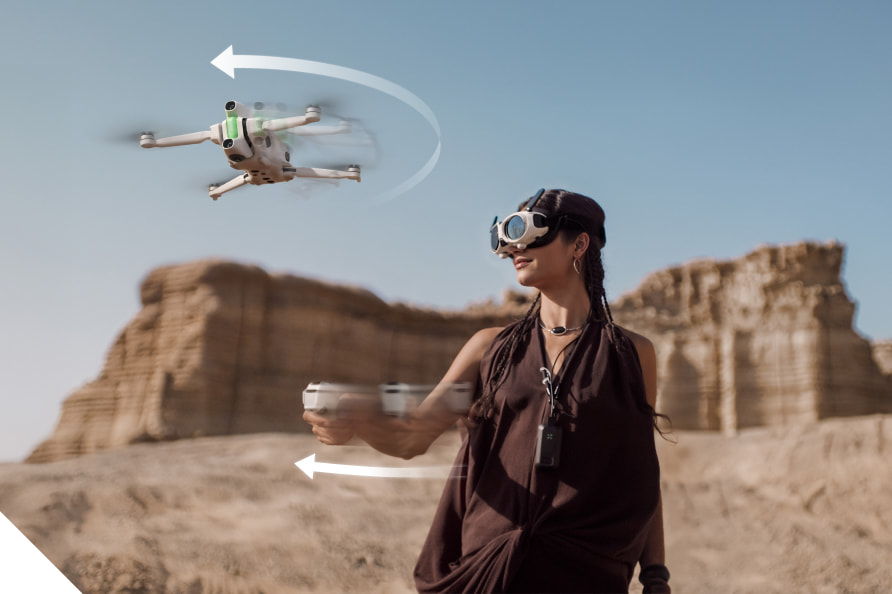
A 360 drone with camera is worth buying if you want more freedom in how you shoot, edit, and present aerial footage. Unlike a standard drone camera that records only what the lens points at, a 360 setup captures the full scene around the aircraft, letting you choose angles later. That changes the flying experience as much as the final video. You can focus less on perfect camera direction during flight and more on safe movement and composition. The tradeoff is that image quality, workflow, and price may not suit every buyer. If you mainly need crisp, straightforward aerial clips, a regular camera drone may be the better fit. If you value flexibility and immersive content, a 360 drone can justify the investment.
What Can a 360 Drone With Camera Actually Do?
Capture Every Direction and Reframe After Flying
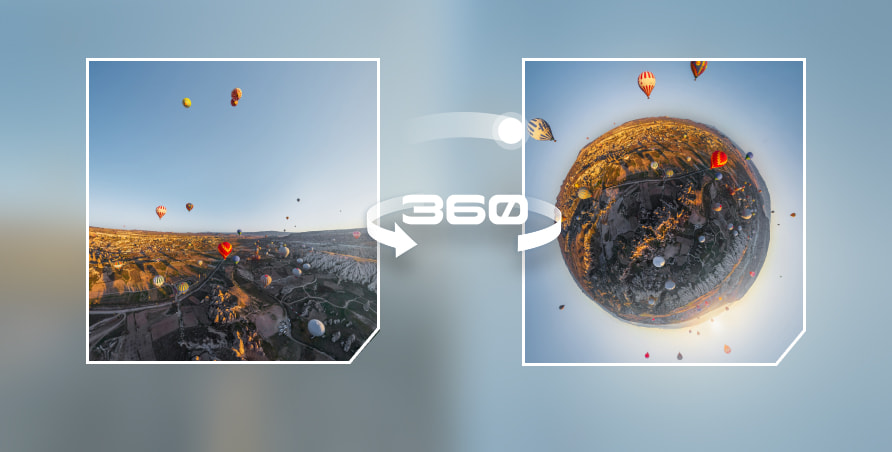
The biggest advantage of 360-degree drones with cameras is their ability to record every direction at once, above, below, and all around the aircraft. Instead of committing to one framing decision while flying, you can reframe later during editing and select the best angle for social clips, widescreen video, or vertical formats. That gives creators much more room to recover missed moments or improve composition after landing. It also reduces the pressure to pan the camera perfectly in real time. For travel, real estate, outdoor sports, and scenic storytelling, this flexibility can save footage that might otherwise feel unusable. In practical terms, one flight can produce multiple finished edits from the same captured scene.
Create Immersive Shots Without Complex Maneuvers
A 360 drone also makes cinematic footage easier to create because the camera captures the environment continuously, even when the pilot uses simple flight paths. Instead of mastering advanced tracking moves or precise camera tilts, you can fly a steady line, rise, orbit, or pull away, then build dramatic viewpoints later in post-production. That is especially useful for solo creators who do not have a separate camera operator. The final result can feel immersive because viewers see a broader sense of place rather than a narrowly directed frame. This style works well for tourism videos, event coverage, and interactive content. It opens creative options that would normally require more flying skill, planning, and repeated takes.
Is a 360 Drone Better Than a Regular Camera Drone?
360° Capture vs. Fixed-View Aerial Footage
A 360 drone is better than a regular camera drone when creative flexibility matters more than a traditional single-angle capture. Standard aerial cameras usually produce clean, direct footage that is ready to use with minimal editing, which suits inspections, simple travel clips, and basic promotional work. A 360 system offers a different benefit: it records the full environment, then lets you choose the perspective later. That makes it stronger for immersive storytelling, interactive viewing, and content that needs multiple aspect ratios from one flight. The downside is that 360 footage often requires more processing and editing before it looks finished. If you want speed and simplicity, regular aerial footage still has the advantage for many buyers.
Image Quality, Editing Freedom, and Ease of Use
Whether a 360 drone feels worth it often comes down to priorities. In most cases, a regular forward-facing aerial camera delivers sharper results in a single chosen frame, while a 360 capture spreads resolution across the whole sphere and may look less detailed once cropped into a standard view. Even so, the editing freedom is hard to ignore. You can pan, tilt, level horizons, and create several outputs from one take. Ease of use also improves in one important way: you spend less effort aiming during flight. However, that convenience shifts work into editing, where stitching, reframing, and exporting add time. Buyers who enjoy post-production usually see more value than users who want quick turnaround.
What Should You Check Before Buying a 360 Drone?
Camera, Flight Safety, Battery, and Portability
Before buying, check whether the camera system delivers enough resolution for the way you plan to export footage. A 360 file may sound high resolution, but reframed clips use only part of that image. Next, focus on flight safety features such as stable hovering, return-to-home support, obstacle awareness, and reliable positioning. These matter because a more flexible camera does not make up for weak flight performance. Battery life is equally important since 360 shooting often encourages multiple takes and wider scene coverage. Portability also affects how often you will actually bring the drone with you. A compact, easy-to-pack design usually gets used more often than a larger model that feels inconvenient for casual trips or frequent travel days.
Match Features and Price to How You Plan to Fly
The smartest buying decision comes from matching the drone’s strengths to your real use case, not the most exciting marketing promise. If you want immersive travel videos, action scenes, or footage that can be repurposed for different platforms, paying more for 360 capture can make sense. If your goal is quick aerial clips with minimal editing, the extra cost may not return much value. Think about where you fly, how often you edit, and whether you prefer polished creative control or a simple workflow. Also factor in storage needs and computer performance, since 360 files can be demanding. A worthwhile purchase is one that fits your habits, skill level, and content goals from the start.
Conclusion
A 360 drone with camera is worth buying for people who want maximum creative control from each flight. Its biggest strengths are full-scene capture, easier shot recovery, and the ability to turn one recording into multiple polished edits. For immersive storytelling and flexible content creation, that value is clear. The main compromises are lower effective detail in reframed views, heavier editing demands, and a price that may exceed what casual users need. If your priority is simple, sharp, ready-to-share aerial footage, a regular camera drone remains the more practical choice. If you enjoy editing and want to capture scenes in a more adaptable way, a 360 drone is a smart investment. The best choice is the one that matches how you actually fly and create.