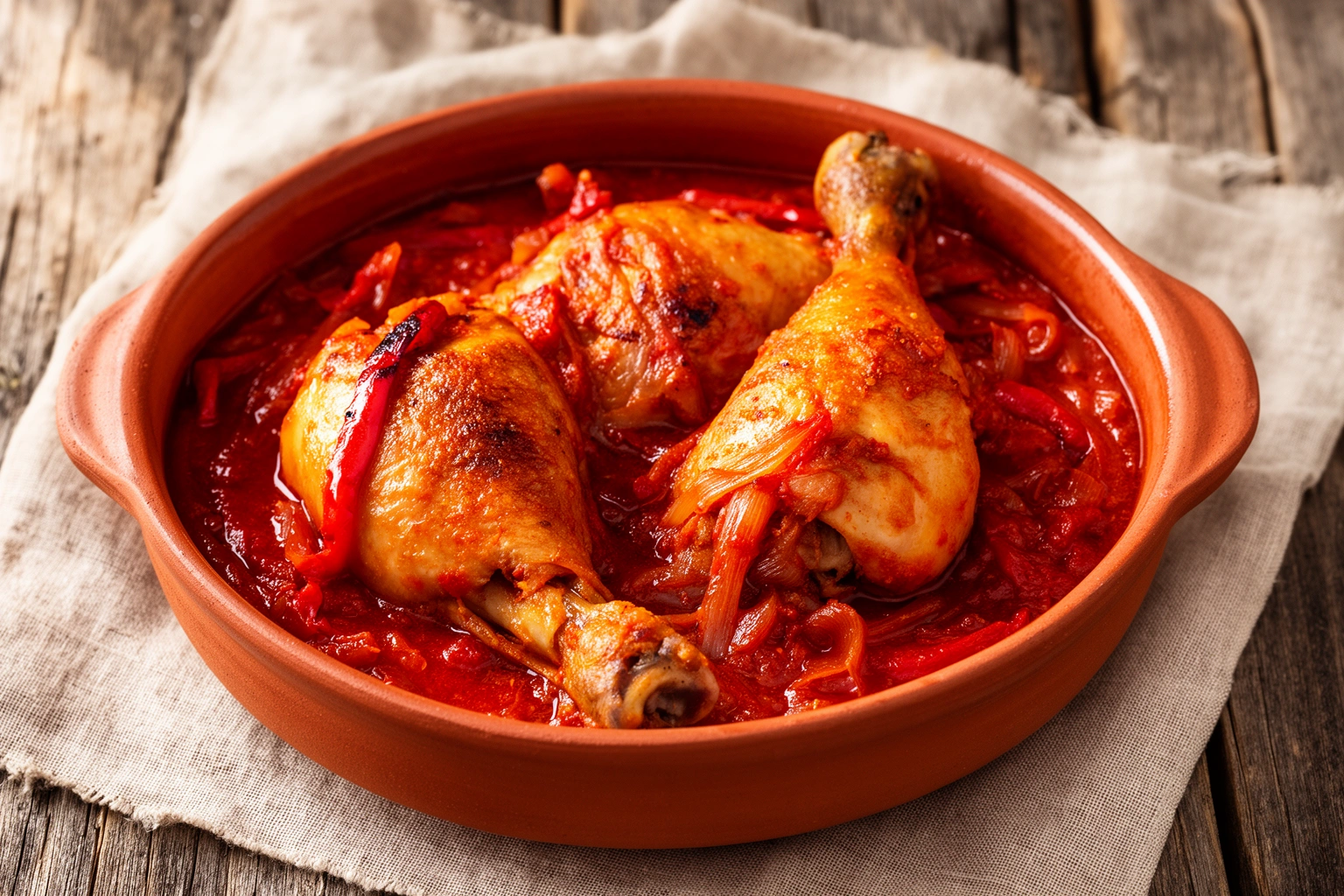
Pollo al chilindron is one of those dishes that changes everything once you’ve tasted a properly made version. The sauce is thick, brick-red, and deeply aromatic. The chicken is bone-in, fall-off-tender. The peppers and onions melt into the base rather than floating on top. Most people discover it by accident at a Spanish restaurant and immediately start searching for the best pollo al chilindron near me so they can find it again.
The problem: this dish is rare on menus outside dedicated Spanish restaurants. Generic Mediterranean spots rarely carry it. Latin American restaurants almost never do. The Aragonese stew occupies a specific corner of Spanish regional cooking that takes some effort to track down. This guide explains what makes an authentic version, which US cities are your best bets, and how to evaluate any restaurant’s execution before you commit to a table.
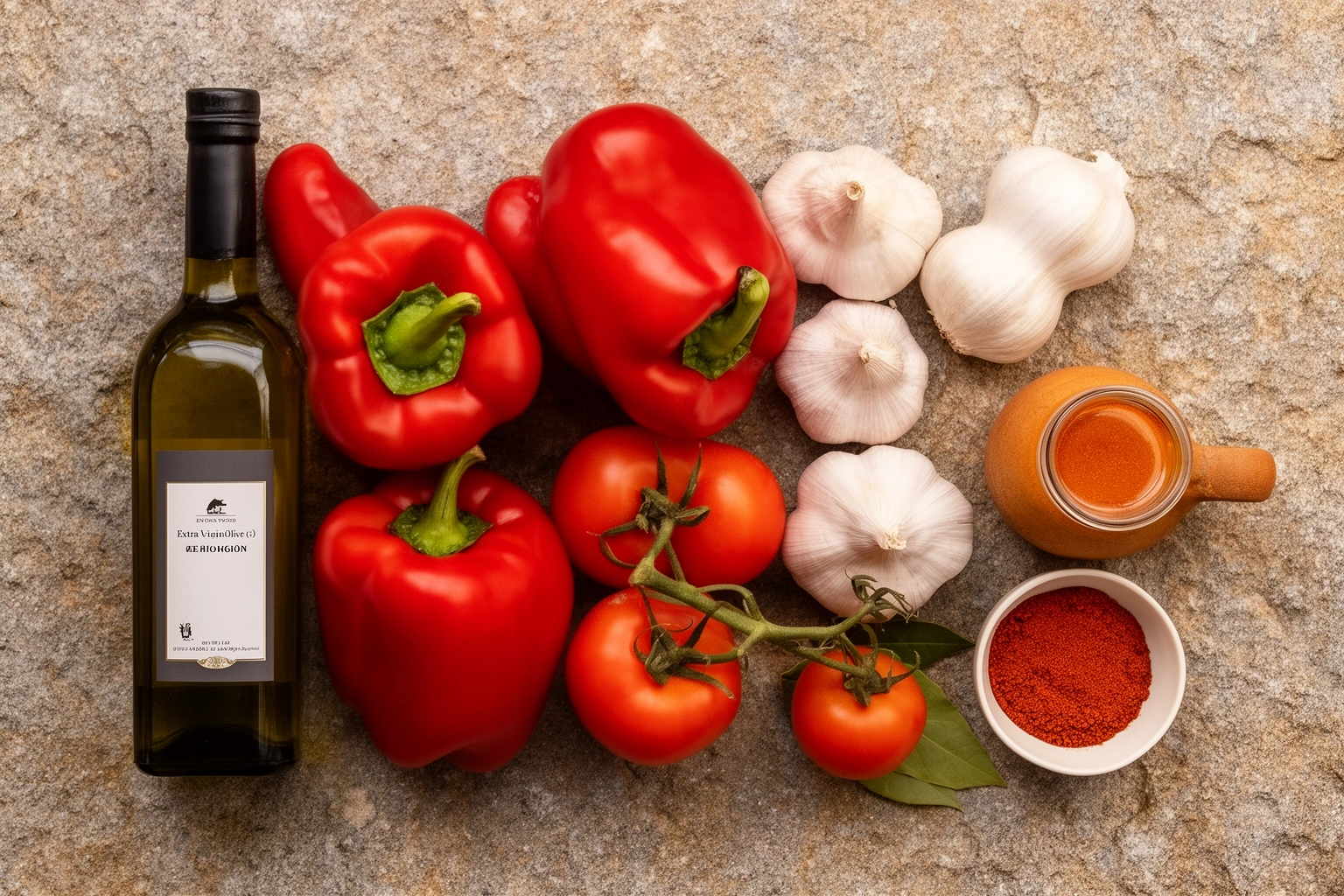
Pollo al chilindron originates from the Ebro Valley region of northeastern Spain, particularly Aragón, Navarra, and La Rioja. The name refers to the sauce itself. “Chilindron” describes the pepper-forward reduction that gives the dish its identity. Unlike French braises that start with butter and cream, or Italian ragus built on wine reductions, a true chilindrón leans entirely on sweet red bell peppers, garlic, jamón serrano, and ripe tomatoes cooked low and slow in extra virgin olive oil.
What Separates a Real Chilindrón from a Generic Chicken Stew
An authentic chilindrón sauce is driven by peppers, not tomatoes. The tomato plays a supporting role. Most imitation versions get this backwards, producing something closer to marinara with chicken.
The distinction matters because it changes the entire flavor profile. A pepper-dominant sauce delivers sweetness, earthiness, and a jammy texture that tomato-forward sauces simply cannot replicate. When you taste a well-made chilindron, the first note is the caramelized pepper. The tomato acidity arrives later, cutting through the richness without taking over.
Three components define whether a version is authentic:
Bone-in chicken only. Authentic recipes use skin-on thighs and drumsticks, sometimes whole bird pieces. Bones release collagen during the long braise, which gives the sauce body. Boneless breast is a shortcut that produces a thinner sauce and drier meat. Any restaurant serving boneless chicken and calling it chilindron has made a concession that affects the final dish.
Jamón serrano rendered directly into the oil. This is the step that separates traditional kitchens from corners-cut versions. Small cubes of cured Spanish ham are rendered in olive oil before the vegetables go in. The fat from the jamón carries flavor into every subsequent layer of the sauce. Standard bacon or pancetta produces a different result: smokier, less nuanced, missing the nutty, mineral depth of true serrano.
Choricero or pimentón de la Vera. The pepper base in an authentic chilindron often includes dried choricero peppers or their paste, giving the sauce a deep crimson color and an earthy undertone that fresh bell peppers alone cannot provide. Some kitchens supplement with sweet smoked paprika (pimentón de la Vera) for the same effect. If the sauce looks orange or pale red, this step was skipped.
The Best Cities in the US for Pollo al Chilindron
New York, Chicago, Los Angeles, and Miami offer the highest concentration of Spanish restaurants in the US, and each city has at least a handful of kitchens that cook chilindrón correctly.
New York City
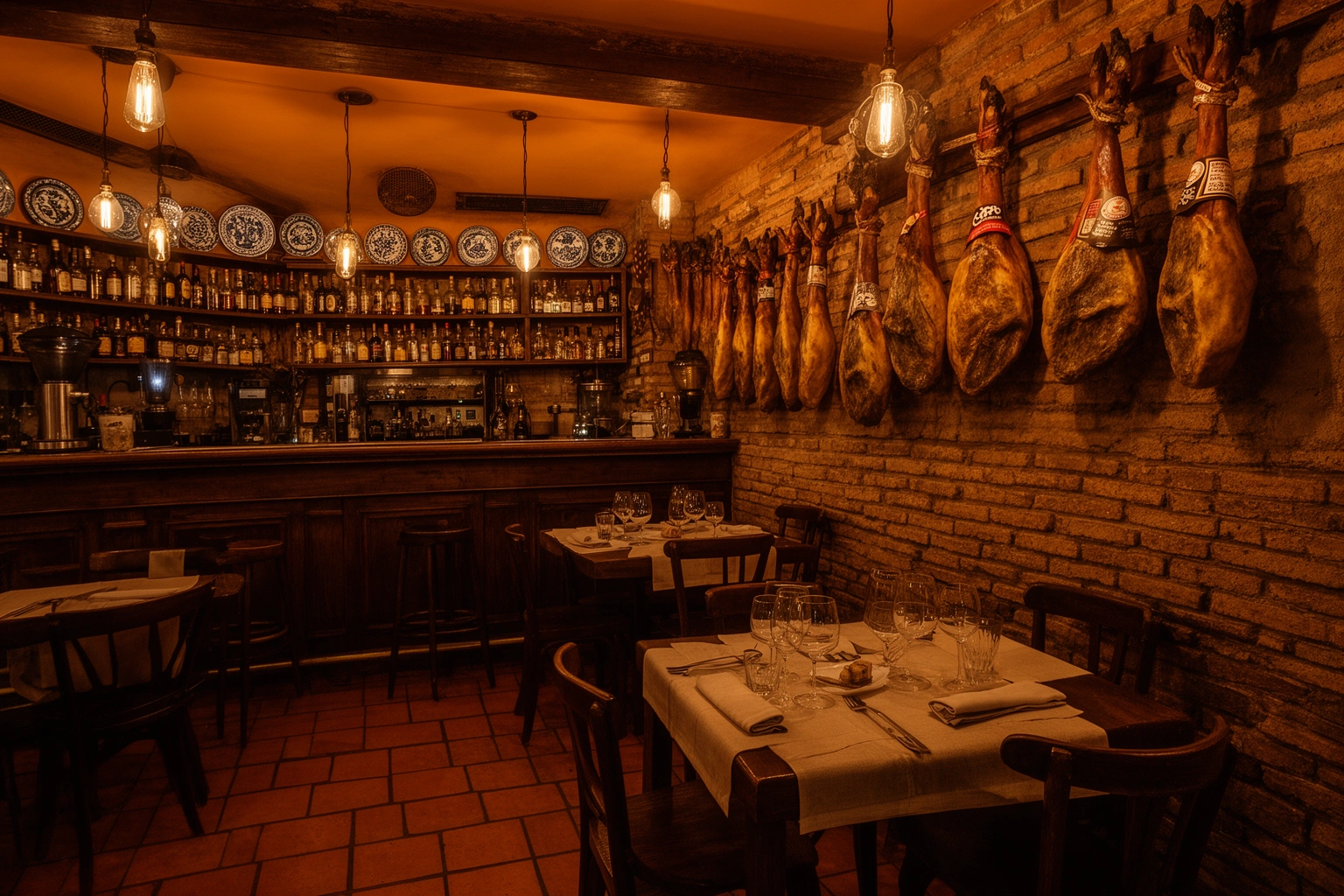
New York carries the deepest Spanish restaurant tradition in the country. Casa Mono in Gramercy, operated by Mario Batali’s former team, built its reputation on Aragonese and Basque-inflected cooking. Boqueria, with locations across Manhattan, serves a solid version of chilindrón alongside other regional Spanish stews. The Lower East Side and Chelsea neighborhoods both support independent Spanish tapas bars where you’re more likely to find house-made chilindrón on a rotating menu board than a printed card. Look for restaurants that brand themselves as Mesón-style (traditional Spanish tavern) rather than generic “Mediterranean” spots.
Chicago
Chicago’s Spanish food scene is smaller but serious. Restaurants in River North and Wicker Park that focus on Iberian cooking tend to rotate seasonal stews. Chilindrón appears most often in fall and winter months when restaurants lean into slow-cooked comfort food. Search specifically for Aragonese or northern Spanish cuisine in your map app, not just “Spanish restaurant,” to narrow to kitchens with the right regional focus.
Los Angeles
LA’s diverse dining landscape includes several Spanish-owned kitchens in Silver Lake, Los Feliz, and the Westside that cook genuine Iberian food for emigrant communities. Word-of-mouth matters more here than Yelp ratings. Check local food forums and Spanish community groups for recommendations, since the best spots often have minimal online presence. Farmers markets in LA also occasionally feature Spanish food vendors who sell chilindrón and other traditional stews as prepared foods.
Miami
Miami’s strong Cuban-Spanish cultural overlap means Spanish regional food gets more exposure here than in most US cities. Restaurants in Coral Gables and Little Havana occasionally serve chilindrón as a weekly special rather than a menu staple. The dish appears on more menus in Miami than anywhere outside New York, partly because the local palate is already comfortable with slow-cooked pepper and tomato sauces from Cuban tradition.
Other Cities Worth Checking
Tampa has a historic Spanish community in the Ybor City neighborhood dating to the 19th century. Several restaurants there maintain traditional Asturian and Galician cooking. San Francisco’s Mission District has long supported Spanish and Basque restaurants. Houston and Dallas both have growing Spanish restaurant scenes, though chilindrón remains rarer there. In any city, the search strategy is the same: target independent Spanish restaurants over chains, look for regional descriptors like “Aragonese,” “Basque,” or “northern Spanish,” and read reviews for specific dish mentions rather than overall ratings.
How to Evaluate a Restaurant Before You Order
The menu itself tells you whether a kitchen understands traditional Spanish cooking before you ever taste the food.
Menu Language to Look For
Authentic kitchens describe their chilindrón with specificity. Phrases like “Aragonese-style braised chicken,” “salsa chilindrón,” “bone-in thighs slow-cooked with jamón serrano and pimiento,” or “estilo Aragonés” signal that the kitchen knows what it’s cooking. Vague descriptions like “Spanish chicken stew” or “Mediterranean braised chicken” suggest the dish is either simplified or invented without regional grounding.
Skip any menu that uses “spicy” as a descriptor for chilindrón. Traditional versions are mild. The pepper base is sweet bell pepper and choricero, not chili. A menu calling it spicy has either changed the dish substantially or doesn’t understand what it is.
Review Signals That Predict Quality
When scanning reviews on Google Maps or Yelp, filter for mentions of “chilindron” or “chilindrón” specifically. Look for reviewers who describe the sauce texture (thick, rich, jammy) rather than just “good chicken.” Expat Spanish reviewers tend to be the most reliable sources. Comments from people who traveled to Aragón or Navarra and compare the restaurant’s version to what they ate there carry more weight than generic five-star ratings.
Red flags in reviews: “sauce was a bit watery,” “more like tomato chicken,” “reminded me of arroz con pollo,” or any mention of the dish arriving in under 20 minutes after ordering. Chilindrón requires 45 to 90 minutes of simmering. A fast kitchen almost certainly reheats a pre-made version or cuts the cooking time in ways that hurt the sauce.
What to Ask the Server
Two questions separate serious kitchens from the rest. First: “Is the chilindrón made in-house, or is it prepared off-site?” Second: “Does it use bone-in chicken?” Both questions signal that you know the dish and prompt servers to give accurate answers rather than defaulting to “yes, it’s authentic” regardless of what’s actually in the pot. Kitchens that make it properly will answer both with confidence.
What Authentic Pollo al Chilindron Tastes and Looks Like
A correctly executed chilindrón arrives in the bowl as a thick, shiny, red-orange reduction with visible strips of soft pepper and translucent onion, coating bone-in chicken that pulls away from the bone with a fork.
The first thing to observe is the sauce consistency. It should coat the back of a spoon, not pour like water. The color should be a deep brick-red or mahogany, not pale orange or pink. Visible fat sheening on the surface is not a flaw: it indicates proper olive oil use and rendered jamón fat, both of which carry flavor.
The flavor sequence in a well-made version: initial sweetness from the peppers and caramelized onions, followed by savory depth from the chicken and ham, then a quiet acidity from the tomatoes, and a faint smoky warmth if pimentón was used. The finish should be clean and slightly rich, not heavy. Nothing about the dish should taste aggressively spiced or sharp.
The chicken itself should yield completely. If you need a knife to cut through it, the braise was too short. If the meat shreds apart into strings, it went too long. Properly done, the meat pulls off the bone in large, moist pieces with the grain intact.
| Quality Marker | Authentic Version | Red Flag Version |
|---|---|---|
| Sauce texture | Thick, coats spoon, jammy | Thin, watery, pours easily |
| Sauce color | Deep brick-red, mahogany | Pale orange, tomato-red |
| Chicken cut | Bone-in thighs or drumsticks | Boneless breast, dry texture |
| Ham component | Jamón serrano rendered in oil | Absent, or substituted with bacon |
| Pepper presence | Sweet peppers dominate sauce | Tomato dominates, peppers scattered |
| Spice level | Mild, sweet, earthy | Spicy or sharply seasoned |
Best Side Dishes and Wine Pairings
Chilindrón is a sauce-forward dish. The accompaniments should absorb rather than compete with the braising liquid.
Sides That Work
Thick slices of pan de cristal or any rustic crusty bread are the traditional accompaniment, used to mop up every drop of sauce. Fried potatoes cut into cubes (a preparation called patatas a lo pobre) add hearty texture without changing the flavor profile. Simple white rice works well, absorbing the sauce and allowing the chicken flavors to stay central. Grilled white asparagus, if in season, provides an elegant contrast. Avoid heavy sides like mashed potatoes, polenta, or anything cream-based: they compete with the sauce richness.
Wine Pairings
The Ebro Valley where chilindrón originates sits between two of Spain’s most important wine regions: Rioja and Navarra. A young to medium-aged Rioja Crianza (Tempranillo-dominant) is the natural pairing, its earthy tannins matching the pepper-forward sauce without overwhelming it. Garnacha from Aragón itself provides even more regional authenticity. For white wine drinkers, a bone-dry Albariño from Galicia cuts through the richness cleanly. Avoid heavily oaked reds or anything tannic at the level of a Reserva or Gran Reserva, which can overpower the dish’s delicate sweetness.
A proper chilindrón requires 45 to 90 minutes of low simmering after the chicken returns to the pot. Restaurants that seat you and deliver chilindrón in under 20 minutes are serving reheated or under-cooked versions. The sauce needs time to reduce, and the collagen from the bones needs heat and time to dissolve into the liquid.
Making Pollo al Chilindron at Home When You Can’t Find It Nearby
Home chilindrón is more accessible than most people expect. The technique is simple. The time investment is the only real requirement.
Start with bone-in, skin-on chicken thighs, 2 to 3 per person. Season with salt and pepper, then sear skin-side down in a wide, heavy Dutch oven or cast-iron braiser in olive oil until the skin is deep golden and the fond on the pan bottom is dark. Remove and set aside. Add thin-sliced jamón serrano to the same pan and render for 2 to 3 minutes until the fat releases. Add sliced white onion and cook until soft and translucent, about 15 minutes. Add 4 to 5 sliced red bell peppers and cook another 20 minutes until completely collapsed and jammy. Add 4 cloves of minced garlic, a teaspoon of sweet pimentón de la Vera, and a tablespoon of choricero paste if available. Stir for one minute. Add 2 cups of crushed ripe tomatoes and half a cup of dry white wine. Return the chicken skin-side up, bring to a gentle simmer, cover, and cook 45 to 60 minutes until the sauce has thickened and the chicken pulls from the bone.
The dish improves significantly after resting overnight in the refrigerator. The fat solidifies on top and can be partially skimmed. The flavors deepen. Reheated chilindrón the next day is often better than the original serving, which is why Spanish home cooks traditionally make it for Sunday lunch and eat the leftovers Monday.
Pollo al Chilindron vs. Other Spanish Chicken Dishes
Chilindrón is frequently confused with arroz con pollo, pollo en pepitoria, and generic Spanish chicken stew. The differences are specific and worth understanding before you order.
Arroz con pollo cooks the chicken with rice in the same pot, creating a one-dish meal where the rice absorbs all the liquid. Chilindrón keeps the chicken and sauce separate, with starchy sides served alongside rather than cooked in. The sauce reduction is far more concentrated in chilindrón.
Pollo en pepitoria is an older Spanish preparation that uses saffron, ground almonds, and hard-boiled egg yolks to thicken the sauce. The flavor profile is completely different: more floral from the saffron, nuttier, and less pepper-forward. Pepitoria is Castilian. Chilindrón is Aragonese. Neither is a substitute for the other.
Pollo asado al ajillo (garlic chicken) is a pan-roasted preparation with a garlic and white wine sauce, far lighter than chilindrón and closer to French bistro cooking in texture. Restaurants sometimes conflate these dishes on menus. If the description mentions saffron, almonds, or roasting rather than braising, it’s a different dish.
Check These Related Articles
- The Invisible Infrastructure of Learning: Zlibrary Official Domain
- A Real Himalayan Journey Guide: Langtang Valley Trek and 7-Day Annapurna Base Camp Trek
- Navigating Travel and Venue Logistics for a Destination Wedding in Japan
- Why Phu Quoc Is Fast Becoming the Ultimate Luxury Escape in Southeast Asia
- Resilience as an Inherited Skill
Traveling to find great regional food requires the same mindset as navigating a destination wedding, as covered in our guide to destination wedding logistics in Japan: research the specifics, understand what separates authentic from generic, and commit to the process. The payoff in both cases comes from that research.
If pollo al chilindron sparks a broader interest in Spanish food culture, pairing it with travel planning is natural. Culinary travel to Southeast Asia and the Spanish Mediterranean share a common thread: both reward travelers who seek out regional specificity rather than tourist-facing menus. The chilindrón available in Zaragoza or Logroño is a different experience from what even the best US restaurant can replicate. Knowing what makes a dish authentic is the first step toward knowing when a travel experience would be worth pursuing.
Regional cooking traditions like chilindrón also connect to broader ideas about patience and inheritance. Skills passed down through generations shape both how families cook and how food cultures survive long enough to reach restaurant menus in cities thousands of miles from their origin. Pollo al chilindron exists in New York and Miami partly because Spanish emigrants carried the recipe with them.
Frequently Asked Questions
What is pollo al chilindron?
Pollo al chilindron is a traditional slow-braised chicken stew from the Aragón region of northern Spain. Bone-in chicken simmers in a thick sauce made from sweet red peppers, tomatoes, garlic, olive oil, and jamón serrano until the meat is fall-off-tender and the sauce is deeply reduced.
Is pollo al chilindron spicy?
No. Authentic chilindrón is mild and sweet. The pepper base uses sweet red bell peppers and dried choricero peppers, not hot chili peppers. Any version described as spicy has been significantly altered from the traditional Aragonese recipe.
What is the difference between chilindrón and regular chicken stew?
Standard chicken stews are tomato or broth-dominant. A true chilindrón uses tomatoes only as a supporting element. The sauce body and flavor come from a dense reduction of sweet peppers, caramelized onions, garlic, and rendered jamón serrano fat.
Where can I find pollo al chilindron near me in the US?
New York, Chicago, Los Angeles, Miami, and Tampa have the highest concentration of authentic Spanish restaurants likely to serve chilindrón. Search for Mesón-style or Aragonese-specific Spanish restaurants rather than generic Mediterranean spots.
What chicken cut is used in authentic pollo al chilindron?
Bone-in, skin-on chicken thighs or drumsticks. The bones release collagen during the long braise, giving the sauce body and keeping the meat moist. Boneless breast is a shortcut that produces inferior results.
Can I make pollo al chilindron at home?
Yes. Brown bone-in chicken thighs in olive oil, render jamón serrano, then slowly cook sliced red peppers and onions until completely soft. Add garlic, pimentón, tomatoes, and white wine, return the chicken, and simmer covered for 45 to 60 minutes until the sauce thickens.
What wine pairs best with pollo al chilindron?
A young Rioja Crianza or Garnacha from Aragón are the most traditional pairings. Both have enough structure to match the sauce without overpowering the dish’s natural sweetness. Albariño works well for white wine drinkers.
How do I know if a restaurant makes authentic chilindrón?
Ask if the dish uses bone-in chicken and house-made sauce. Look for menu language describing Aragonese or northern Spanish technique. Sauce color should be deep brick-red. Avoid any version described as spicy or arriving at the table fewer than 20 minutes after ordering.